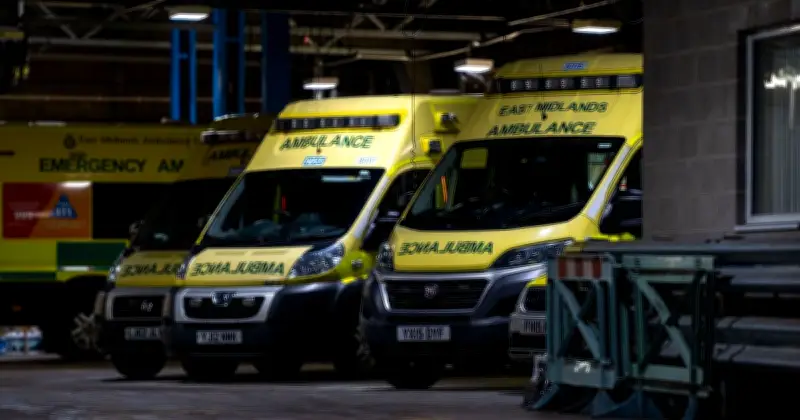
East Midlands Ambulance Service (EMAS) has declared a critical incident following a period of sustained pressure affecting ambulance services across the United Kingdom. The service is urging members of the public to "act responsibly" and avoid "unnecessary risks" to help alleviate strain on emergency resources.
Critical Incident Declaration
The declaration was made on Sunday, June 28, 2026, as EMAS reported facing extreme demand that has stretched its capacity to respond to emergencies. A spokesperson for the service confirmed that the critical incident status allows for additional support from neighbouring ambulance trusts and other NHS partners.
This decision comes after weeks of mounting pressure on ambulance services nationwide, driven by factors including increased call volumes, hospital handover delays, and staffing shortages. EMAS has not provided specific figures on current wait times or call volumes, but the critical incident declaration indicates a severe operational challenge.

Public Appeal
In a statement, EMAS appealed to the public to use emergency services wisely. "We are asking everyone to please act responsibly and avoid unnecessary risks that could lead to injury or illness requiring an ambulance," the spokesperson said. "Only call 999 for life-threatening emergencies. For other health concerns, please consider alternatives such as your GP, pharmacy, or NHS 111."
The service also reminded the public to take basic safety precautions, such as staying hydrated in hot weather and being careful during outdoor activities, to reduce the number of incidents requiring ambulance attendance.
Broader Context
The critical incident at EMAS is part of a wider trend across UK ambulance services, which have been under intense pressure for several months. Factors contributing to the strain include a surge in respiratory illnesses, ongoing recovery from the pandemic, and challenges in discharging patients from hospitals due to social care capacity issues.
NHS England has acknowledged the pressures and is working with ambulance trusts to implement mitigation measures, including additional funding for hospital discharge programs and recruitment drives for paramedics and call handlers.
According to recent data, ambulance response times for category 2 calls (such as heart attacks and strokes) have exceeded national targets in many regions, with some patients waiting over an hour for an ambulance. The situation has prompted calls for a long-term strategy to address systemic issues in emergency and urgent care.
Public Response
The declaration has prompted reactions from local politicians and health leaders. A representative from the East Midlands region expressed concern and urged the government to take immediate action. "Our ambulance staff are working tirelessly under immense pressure. We need urgent investment in both ambulance services and the wider health and social care system to prevent such critical incidents from becoming the norm," they said.
Members of the public have also taken to social media to share their experiences and offer support for EMAS staff. Many have shared stories of long waits for ambulances and difficulties accessing timely care.
EMAS continues to prioritise the most critically ill patients and is working closely with hospitals to improve patient handover times. The service has not indicated how long the critical incident will remain in place, but it will be reviewed regularly as the situation evolves.