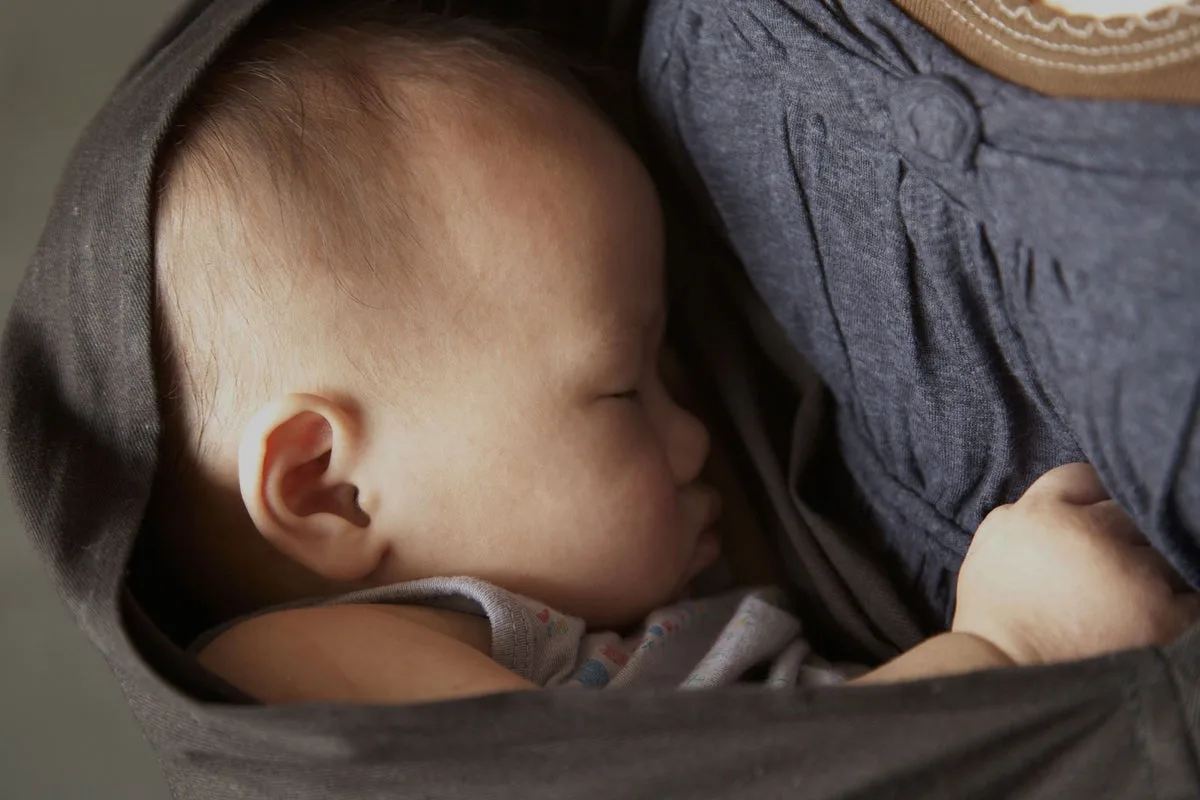
New parents require enhanced guidance on the safe use of baby slings, according to new research from Durham University. Baby sleep experts are advocating for improved education for parents, both pre-purchase and at the point of sale.
A survey of 1,470 parents with infants under one year old revealed that nearly nine out of ten acquired their sling or carrier online. Of these, only three per cent received assistance from a virtual sales assistant or chat function, highlighting a significant gap in direct support. In contrast, only three out of ten purchasers who bought their sling in person from a shop received direct advice.
Instead, most parents relied on manufacturers’ instructions, social media, or internet blogs to learn how to use the equipment safely. While some parents accessed 'sling libraries' – services offering carrier loans and safety guidance – these appear to be a minority resource. Researchers stress the need for more accessible and comprehensive safety information to prevent potential misuse.

The survey found that even experienced parents had difficulty with positioning the baby in a sling, creating comfort for the carrier and securing the infant safely. Unsafe use of baby slings has been linked to accidental deaths from suffocation or falls. In 2023, six-week-old James Alderman died in a carrier during hands-free breastfeeding, leading a coroner to issue a warning.
Professor Helen Ball, director of the Durham Infancy and Sleep Centre at Durham University, said: “Many parents are unaware of the safety guidance around baby slings and carriers. As most parents start using slings and carriers when their babies are very young and at their most vulnerable, it is crucial they know how to choose the most appropriate product and how to use it safely.”
Jenny Ward, chief executive of The Lullaby Trust, added: “This research highlights the need for clearer, more accessible guidance to help families use slings and baby carriers as safely as possible. Many families value slings and carriers, but it is important that they have access to trusted information on how to use them safely, particularly during the early months when babies are most vulnerable.”