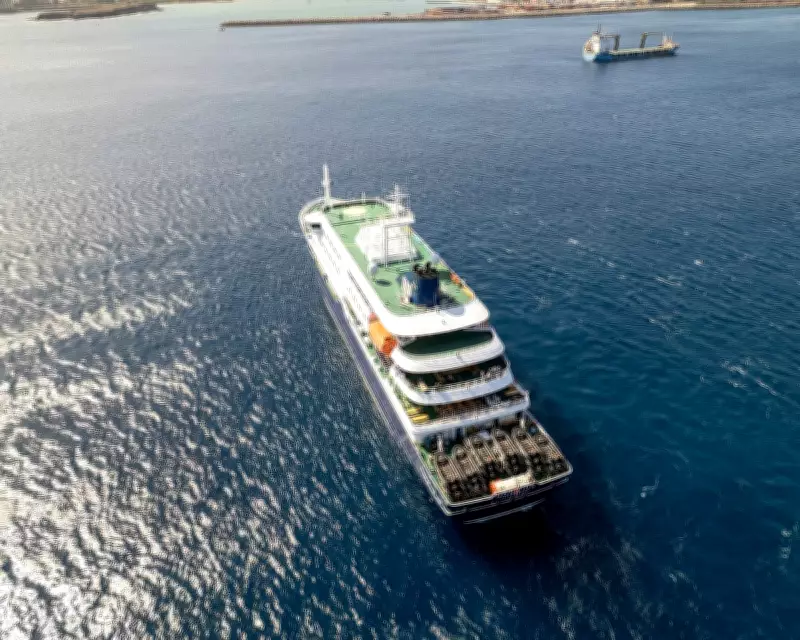
Three passengers on a polar cruise ship in the Atlantic Ocean have died following a suspected outbreak of hantavirus, according to the World Health Organization (WHO). The incident occurred aboard the MV Hondius, which was travelling between Argentina and Cape Verde. The WHO confirmed at least one case of hantavirus, with one patient in intensive care in a South African hospital. Among the deceased were a couple from the Netherlands.
What is Hantavirus?
Orthohantaviruses, commonly known as hantaviruses, are a group of viruses primarily found in rodents but capable of infecting humans. According to Professor Adam Taylor of Lancaster University, there are at least 38 recognised species globally, 24 of which cause disease in humans. Rodents such as mice, rats and voles serve as natural reservoirs. Dr Yomani Sarathkumara, a postdoctoral research fellow at the University of Queensland, noted that hantavirus infections are “really rare in humans” and are often misdiagnosed in tropical countries as other infections like leptospirosis.
Transmission and Symptoms
Hantaviruses spread to humans through inhalation or contact with infected rodent faeces, urine or saliva, and rarely via bites or scratches. Agricultural communities face higher risk due to greater exposure. Associate Professor Vinod Balasubramaniam, a molecular virologist at Monash University Malaysia, explained that hantaviruses are “typically an environmental exposure linked to rodents” and “do not usually spread easily from person to person”.

Two major lineages exist: old world hantaviruses (found in Europe and Asia) cause haemorrhagic fever with renal syndrome (HFRS), affecting kidneys with symptoms like intense headaches, back pain, abdominal pain and fever. New world hantaviruses (found in the Americas) cause hantavirus pulmonary syndrome (HPS), leading to rapidly progressive respiratory failure. Early symptoms mimic flu, making diagnosis difficult. The Andes virus, common in South America, is primarily spread by the long-tailed pygmy rice rat.
Incubation periods range from one to eight weeks. Human-to-human transmission has been documented for the Andes strain but remains rare and poorly evidenced.
Cruise Ship Outbreak Investigation
The WHO is investigating the outbreak on MV Hondius. Balasubramaniam outlined several plausible causes: rodent contamination within the vessel (if infected rodents accessed storage areas or cabins), exposure during land-based activities given long incubation periods, or, least likely, person-to-person transmission. “The main risk is disturbing contaminated rodent materials in close or poorly ventilated spaces,” he said.
Mortality and Treatment
Fatality rates for HFRS range from 1% to 15%, while HPS has a fatality rate of about 40% in the Americas. No definitive antiviral treatment exists; supportive care including oxygen, fluid management, blood pressure support and ventilation is standard. Early diagnosis is critical, and broad-spectrum antivirals are under research.
In March 2025, Betsy Arakawa, wife of actor Gene Hackman, died from hantavirus pulmonary syndrome at her Santa Fe home, preceding her husband’s death from Alzheimer’s complications.