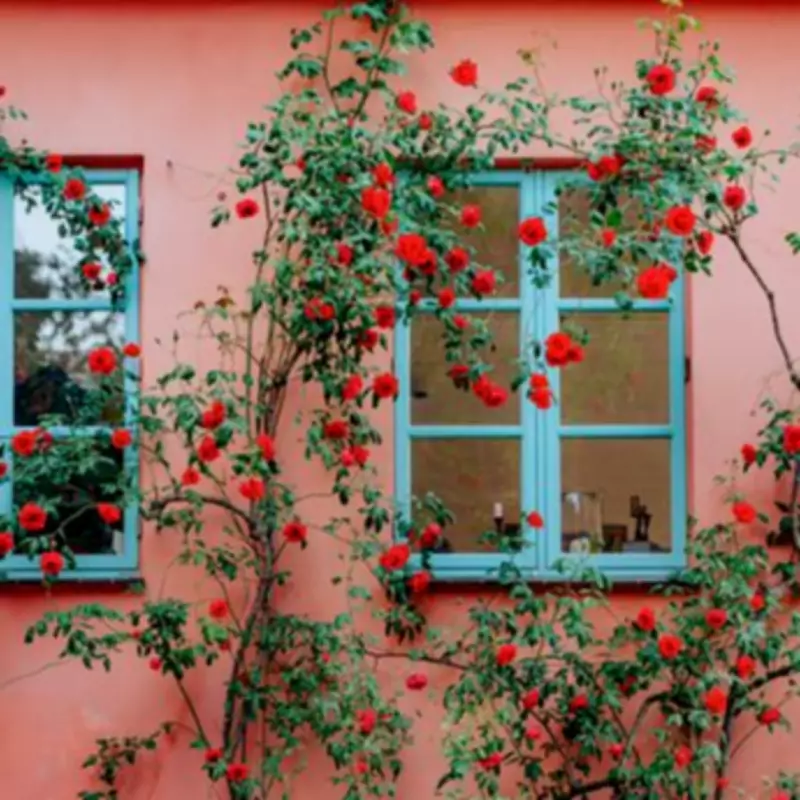
With warmer weather poised to arrive across the country this weekend, it is an ideal opportunity to venture into the garden and prepare it for summer. If you have climbing plants or roses in your outdoor space, there is one crucial adjustment you need to make to boost their flowering potential.
The Horizontal Training Technique
Many gardeners mistakenly believe that climbing plants should be tied upwards to promote growth, but that is not actually correct. Noah Mabey, Senior Gardener at Thornbridge Hall and Horticultural Advisor to Platinum Spas, revealed that training stems horizontally rather than vertically can stimulate considerably more blooms throughout the summer months.
He said: "A lot of gardeners naturally tie climbing plants straight upwards, but this often encourages the plant to focus on producing long leafy stems rather than flowers. By gently training stems more horizontally, you encourage the plant to produce flowering shoots all along the stem instead, which creates a much fuller display."

Best Plants and Timing
The method proves particularly effective for climbing roses, rambling roses, honeysuckle, and wisteria, especially during late May and early June, when fresh growth remains soft and pliable. Noah added: "This is the perfect time to tie in new growth because stems are still soft and easy to shape. Later in the season, stems begin to harden and become far more difficult to train without snapping."
Additional Benefits
Training stems now also helps protect plants from wind damage later in summer, particularly with climbing roses and wall-trained plants. This technique works because plants instinctively channel energy towards the tip of a stem that is growing upwards. By laying them horizontally, gardeners can stimulate additional side shoots along the branch, resulting in a greater abundance of blooms.
Noah concluded: "It is a really simple technique, but it can completely change how climbing plants look later in the season. It is much easier to guide plants into the shape you want now rather than later in summer when stems become long, woody and harder to manage."