After 33 years, I finally admitted I have no idea how to make myself do things consistently. I often find myself hoping I'll eat vegetables or reply to emails, as if that's up to someone else. On good days, I manage everything; on most, I scroll through TikTok, nap repeatedly, and eat neon-coloured snacks. As a freelancer for seven years, the situation has become dire: I rise late, watch two hours of TikTok after replying to two emails, and nap up to three times a day.
I set myself a challenge: for one working week, I would not procrastinate at all. No WhatsApp, no YouTube video essays, no Nintendo Switch, no social media. I even asked my husband to hide the remote. Instead, I would write a to-do list every morning and plough through it.
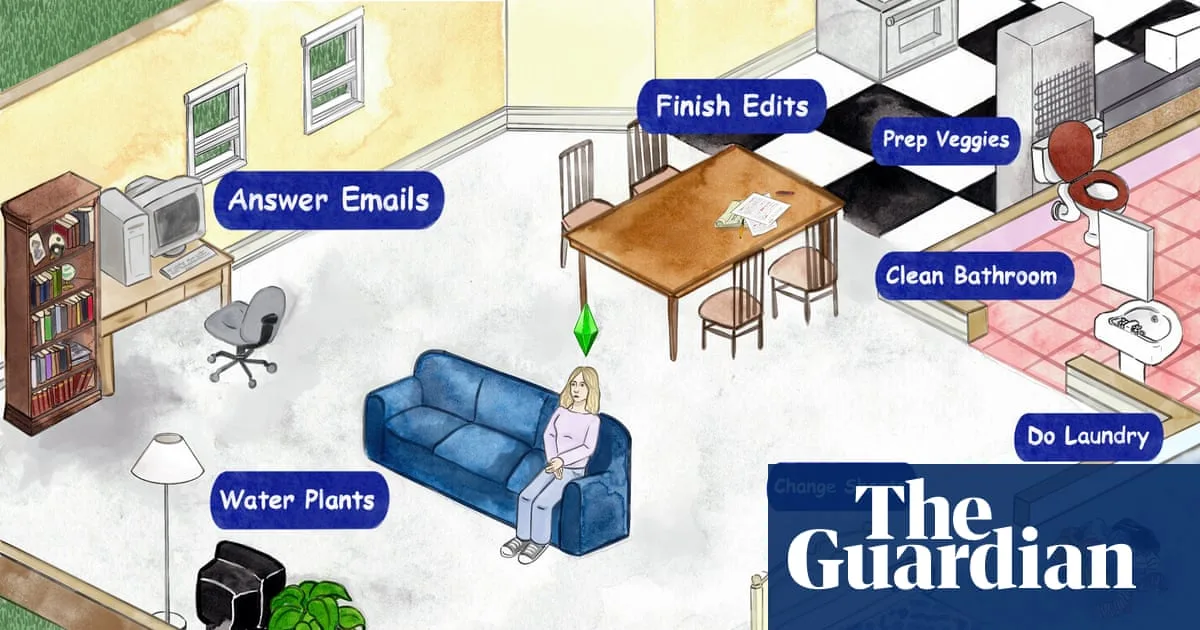
On day one, at 7.30am, I started my workout without lying on the floor first. It felt fantastic to get it done. After my shower, I pretended I was a Sim guided by a cursor, unpacking a suitcase, paying a bill, ordering new glasses, and doing laundry. By 8.44am, I had accomplished what usually took until midday. By noon, I had replied to all emails, done more laundry, emailed my accountant, and sorted article ideas. I felt intoxicatingly in control.

I spoke to Fuschia Sirois, a procrastination expert at Durham University. She explained that procrastination is unnecessary delay despite knowing the negative consequences. She believes my experiment gave my tasks meaning, which reduced procrastination. A former PhD student of hers found that reconnecting with why we do a task reduces procrastination.
Day two was similarly productive, though I slipped up a couple of times. But day three brought a severe case of the 'I don't wannas'. I spent 20 minutes scrolling through the only distraction available on my phone. The challenge showed me that meaning and a clear goal can temporarily crush procrastination, but sustaining it requires more than willpower.