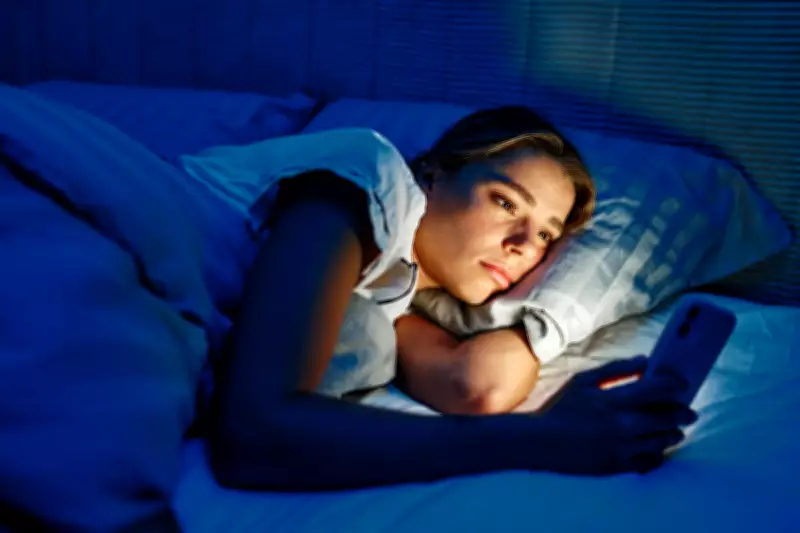
Feeling older than you actually are might be more harmful than you think. A new study released Tuesday reveals that this perception is linked to poor quality sleep, symptoms of insomnia, and poorer bodily function throughout the day.
Study Findings on Sleep and Subjective Age
Adults who reported feeling older than their chronological age experienced more sleep-related impairments, decreased overall sleep health, and lower sleep regularity, according to a study by the American Academy of Sleep Medicine involving nearly 3,200 adults.
"These associations remained significant even after accounting for chronological age, depression and anxiety," explained Joseph Dzierzewski, senior vice president of research and scientific affairs at the National Sleep Foundation, in a statement.

The researchers did not propose a specific reason for this connection, but past research has linked feeling older than your age to premature death, while feeling younger has been associated with slower brain aging. Mindset has been proven to influence health, as seen with stress and blood pressure.
Insomnia and Mental Health Connection
The findings add to the growing evidence that many Americans are not getting enough sleep. Federal health officials recommend 7 to 9 hours of sleep per night to ensure optimal heart, immune system, muscle, and brain function. Yet, approximately 12 percent of American adults suffer from insomnia, a chronic sleep disorder characterized by difficulty falling or staying asleep, according to the American Academy of Sleep Medicine.
Feeling older has been associated with poor mental health, leading to early frailty as young as age 40. Insomnia often accompanies or exacerbates mental health issues, creating a vicious cycle. Previous research shows that people with insomnia are 10 times more likely to have depression and 17 times more likely to have anxiety than others.
"It's becoming increasingly clear that sleep and mood have a bidirectional relationship," said Andrea Goldstein-Piekarski, an assistant professor of psychiatry and behavioral sciences at Stanford Medicine, in a statement last August.
More than 20 percent of Americans live with a mental illness, according to the National Institutes of Mental Health, with women disproportionately affected.
Study Methodology and Implications
The study used an online survey to assess participants' age, insomnia symptoms, sleep health, mental health, and perceived age. Researchers also accounted for sex, race, and history of depression and anxiety. The older participants felt, the worse their self-reported physical health related to poor sleep.
These results challenge how clinicians discuss aging. "These findings suggest how people perceive their own aging may have important implications for sleep and overall well-being," Dzierzewski said. "Understanding subjective age could help inform future approaches to support healthier sleep and quality of life across the lifespan."
Feeling older does not have to be permanent, according to the Society for Biopsychosocial Science and Medicine. "Find something that makes you feel young again. Exercise more, take a class, do something artistic," advised Angelina Sutin, an associate professor at the Florida State University College of Medicine. "We have this entrenched idea that feeling old is inevitable. But when you find the thing that makes you feel young again, you discover it's not so."
The research will be presented later this month at the annual meeting of the Associated Professional Sleep Societies in Baltimore, Maryland.