Sipping a cocktail by the pool, a faint itchy sensation creeps up your arms, exactly where you applied your new sun cream. After an hour or so, it becomes a full-blown angry rash, forcing you to retreat indoors. Summer holidays should be about relaxation and enjoying warm weather, but for allergy sufferers, the season can be fraught with potential health hazards.
The prospect of hay fever flare-ups as grass pollen levels peak, reactions to sunscreen that is supposed to protect your skin, and dining in restaurants where language barriers complicate allergy management can all cause stress before a sunshine getaway. Ahead of your holiday, what steps can you take to ensure your hard-earned break is not blighted by minor or major allergies?
Sensitivity to Sun Cream
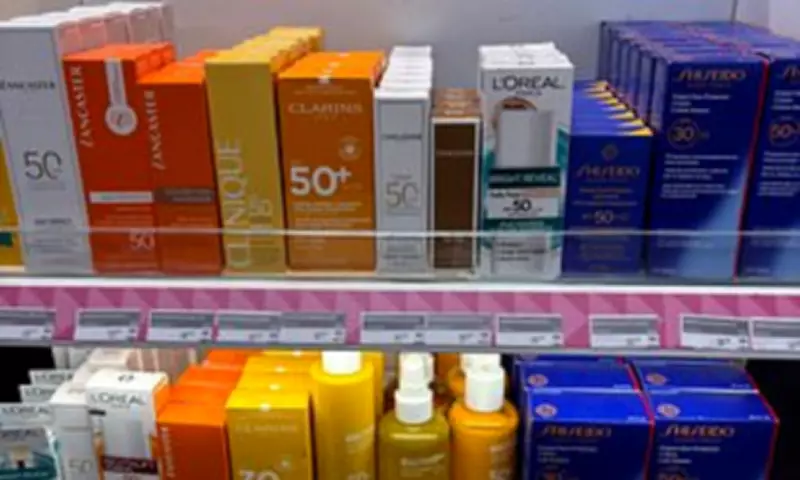
Dr Helen Wall, a Bolton-based GP, advises reading the label carefully when buying sunscreen to prevent skin irritation from ruining your trip. She explains the difference between chemical sunscreen and physical or mineral sun cream. Chemical sunscreen is light and easy to rub in, leaving no white cast, making it popular for cosmetic reasons. However, it is more likely to cause irritation or allergy due to its chemical nature. It also requires application 15 to 20 minutes before sun exposure to absorb UV rays. Despite concerns, Dr Wall notes there is no evidence that chemical sunscreens are harmful.

Mineral sun cream, containing ingredients like zinc oxide or titanium dioxide, sits on the skin and reflects or scatters UV rays. It is less likely to irritate sensitive skin and works immediately after application. Dr Wall recommends this type for those with eczema, rosacea, or sun cream allergies, though it can leave thick white marks on clothes.
Symptoms to Watch For
- Red, itchy rash where cream was applied
- Burning or stinging sensation
- Small blisters or swelling
- Rash appearing hours to days later
A delayed reaction is possible, but symptoms usually appear quickly. Sun exposure can worsen the reaction, leading to photosensitivity. Chemical UV filters like oxybenzone are common culprits.
What to Do if Sensitive to Sun Cream
Dr Wall emphasizes the importance of sun protection even with allergies. Switching to mineral sun cream, staying in the shade, avoiding midday sun, and wearing a brimmed hat can help.
Hay Fever Flare-Ups Abroad
Hay fever affects 26% of UK adults. It may not stop abroad and can worsen due to different pollens, higher counts, and new plant species. Hotter, drier climates increase exposure, and spending more time outdoors raises symptom risk.
Managing Hay Fever on Holiday
Start medication before symptoms appear. Dr Wall recommends antihistamines, steroid nasal sprays, or eye drops three to four weeks before hay fever season. Non-medical methods include wearing sunglasses with side shields, showering after being outdoors, avoiding drying clothes outside, and monitoring pollen counts. For remote areas, rinsing eyes with clean water and applying petroleum jelly around nostrils can help. Always carry an antihistamine when travelling.
Handling Food Allergies on Holiday
NHS GP Dr Roger Henderson stresses careful preparation. Never assume ingredients or cooking methods are the same as in the UK. Mild reactions include itching, hives, stomach pain, or swelling. Severe anaphylaxis can cause throat swelling, difficulty breathing, dizziness, collapse, or loss of consciousness, requiring urgent medical attention and adrenaline auto-injectors.
Research local cuisine and identify dishes containing your allergen. Nuts, sesame, shellfish, soy, and dairy are widely used in some countries. Cross-contamination from shared surfaces is a major risk, especially at street food vendors and buffets. Always carry emergency medication in hand luggage, and ensure travel companions know where it is and how to use it.

Avoiding Food Allergy Issues
Carry safe snacks for flights or excursions. Communicate clearly in restaurants, learning phrases like "I am allergic to nuts" or "Does this contain milk?" in the local language. Wear a medical alert bracelet for severe allergies. Take out travel insurance covering pre-existing allergies and emergency treatment abroad. Emergency healthcare is generally available, but without insurance, costs can be high. Always declare allergies when taking out a policy.