Scotland Pioneers 'Boil in Bag' Eco-Funerals in Historic UK First
Scotland has become the first part of the United Kingdom to introduce so-called 'boil in a bag' funerals, marking the most significant change to British burial regulations since cremation was first permitted in 1885. This innovative technique, properly known as alkaline hydrolysis or water cremation, involves dissolving human remains into a sterile slurry that is subsequently flushed into the drainage system.
The Environmental Alternative to Traditional Methods
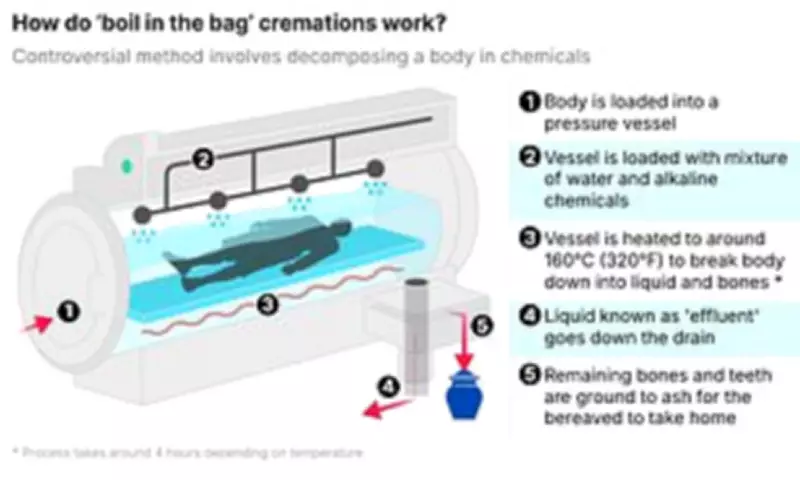
Advocates champion these water cremations as an environmentally conscious alternative to conventional cremation, which consumes substantial quantities of natural gas. During the process, the deceased is wrapped in a biodegradable shroud, typically crafted from silk or wool, and placed within a pressurised steel chamber.
The tank is then filled with a solution comprising 95 percent water and five percent alkaline chemical, such as potassium hydroxide. The contents are heated to 150°C (302°F) under pressure, preventing actual boiling while accelerating decomposition.

How the Process Works
Over three to four hours, this method replicates natural decomposition processes that would ordinarily take decades within a coffin. The resulting liquid is cooled, treated, and discharged into drains, where it undergoes processing alongside standard wastewater.
Kindly Earth, which holds exclusive rights to manufacture alkaline hydrolysis equipment in Scotland, confirms the waste liquid is sterile and contains no solids or DNA. Only natural compounds like proteins, peptides, sugars, and salts remain, with the water eventually rejoining the hydrological cycle.
Meanwhile, softened bones are carefully dried, cooled, and reduced to a fine white powder, returned to families in an urn similar to traditional cremation ashes.
Costs and Public Support
In jurisdictions where water cremation is already legal, prices typically range from $1,500 (£1,180) to $5,000 (£3,950), varying by provider and location. For instance, the Bradshaw Celebration of Life Center in Minnesota charges $3,395 (£2,500) for basic service and $4,995 (£3,680) with memorial additions.
Helen Chandler, General Manager of Kindly Earth, emphasises: "We know that not everyone will choose hydrolysis – and that's the point. It's about giving families more choice. Each family has different values and priorities. Some people, particularly those planning ahead for their own funeral, are looking for options that feel more aligned to their own preferences. Hydrolysis provides that additional choice."
A 2023 Scottish Government consultation revealed overwhelming public backing, with 84 percent of respondents supporting the introduction of alkaline hydrolysis.
Regulatory Requirements and Implementation Timeline
Before Scottish crematoriums and funeral operators can offer water cremations, they must secure planning permission and agreements with Scottish Water for liquid discharge. The Scottish Government anticipates the first procedures occurring this summer, pending "all necessary consents are in place."
Scottish Government Public Health Minister Jenni Minto states: "Hydrolysis offers a new, environmentally friendly alternative to burial or cremation, responding to significant public support for greater choice, and it will be the first new option available for over 120 years. The process will be subject to the same assurances and regulatory requirements as existing methods, giving bereaved families confidence that their loved ones are treated with care, dignity and respect."
Industry Perspectives and Wider UK Context
Edinburgh-based William Purves Funeral Directors, which participated in the governmental working group, notes: "Hydrolysis may prove more popular among those looking for more sustainable or environmentally friendly funeral options. Initially, costs may be higher than cremation due to the specialist equipment required and the limited availability of facilities. It is anticipated that it will take up to a year to get planning and construct a facility in Scotland."

Alkaline hydrolysis is already legal in several countries including Ireland, New Zealand, Canada, and the United States. England and Wales are considering establishing a legal framework for the practice, though no definitive timeline exists.
Co-op Funeralcare, which arranges over 93,000 funerals annually, revealed in 2023 it would offer the service but faced delays being "unable to find a path through the current regulatory framework." The UK's Law Commission is currently examining a legal framework for new funerary practices in England and Wales, expected to publish a draft bill shortly.
Other Emerging Funeral Alternatives
This legislative shift could also pave the way for other eco-friendly options like 'human composting,' where microbes break bodies down into soil for scattering or conservation donations. Additional alternatives include:
- Promession (Cryomation) – Using liquid nitrogen to chill bodies to -196°C, making them brittle enough to fragment into sterile powder.
- Aquamation – Submerging bodies in heated alkaline solutions to dissolve flesh, organs, and bones.
- Ashes to Diamonds – Purifying cremation ashes at extreme temperatures to create carbon-based diamonds over 16 weeks.
- Sea Burial – Wrapping bodies in blankets and casting them into the sea following a brief service.