Scotland Pioneers Water Cremation Legalisation in the UK
Scotland has made history by becoming the first nation within the United Kingdom to legalise hydrolysis, commonly known as water cremation or aquamation. This groundbreaking move, approved by the Scottish parliament on Monday, represents the most significant reform to funeral legislation since the introduction of cremation in 1902. The decision reflects a rising public demand for more environmentally sustainable end-of-life options, offering a gentler alternative to conventional methods.
How Hydrolysis Works: A Detailed Process
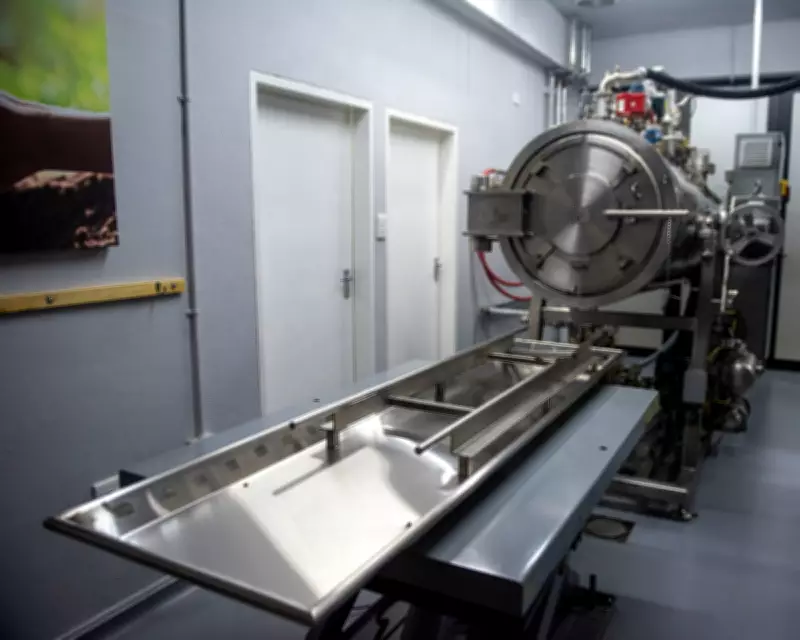
The hydrolysis process replicates the natural decomposition that occurs after burial but accelerates it dramatically. It involves immersing the deceased's body in a pressurised metal cylinder filled with water and a 5% alkaline solution, such as potassium chloride. Heated to approximately 150°C over three to four hours, this mixture dissolves body tissue, leaving only the skeletal remains. These bones are then dried and pulverised into a fine, white dust, which is placed in an urn for families to keep, scatter, or bury, much like traditional cremation ashes.
Jenni Minto, the Scottish government's public health minister, emphasised the personal nature of funeral choices, stating: "Hydrolysis offers a new, environmentally friendly alternative to burial or cremation, responding to significant public support for greater choice, and it will be the first new option available for over 120 years." She assured that the new method will be subject to the same stringent regulatory requirements as existing funeral practices.

Environmental Benefits and Global Context
Hydrolysis is celebrated for its minimal environmental impact. Unlike traditional cremation, it produces no direct toxic emissions into the air and reduces the need for single-use coffins, as none are required for the process. This aligns with a global trend towards green burials, which includes innovations like mushroom coffins and reef memorials. The process is already legal in 28 US states, Canada, Ireland, South Africa, Australia, and New Zealand, with notable figures such as Archbishop Desmond Tutu opting for water cremation in 2022.
Helen Chandler, general manager of Kindly Earth, which holds exclusive UK manufacturing rights for hydrolysis equipment, described the legalisation as a historic moment for Scotland's funeral sector. She noted: "We know that not everyone will choose hydrolysis – and that’s the point. It’s about giving families more choice. Each family has different values and priorities." However, it may take up to nine months for the first Scottish facility to become operational, as funeral directors must secure planning permission and permits from local water authorities.
Industry Perspectives and Future Outlook
Andrew Purves, chief operations officer of William Purves Funeral Directors, highlighted the growing interest in sustainable funerals among families. He observed: "We’re all aware of the environmental impact we have in our lives, and spend a lot of time choosing what we recycle and so on, so it’s only right that people should be able to consider that for their funeral too." Drawing parallels to the initial scepticism towards cremation over a century ago, Purves predicted that hydrolysis will gain similar acceptance, noting that cremations now account for nearly 80% of UK funerals.
Meanwhile, in England and Wales, the Law Commission is evaluating a regulatory framework for new funerary methods, including hydrolysis and human composting, indicating a potential broader shift across the UK. As Scotland leads the way, this development marks a pivotal step towards diversifying funeral options and promoting ecological responsibility in end-of-life care.