Humanitarian Aid Flotilla Reaches Cuba Amid Deepening US Energy Blockade Crisis
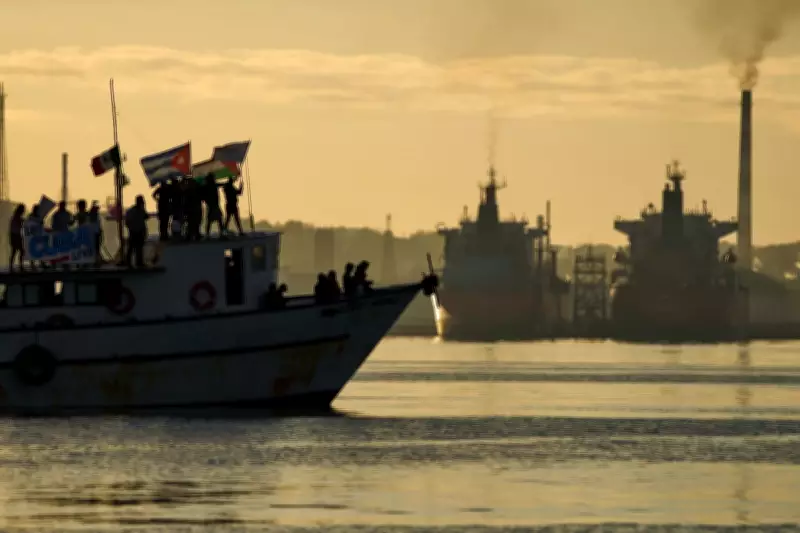
A significant humanitarian aid vessel, heavily laden with essential supplies, has successfully docked in Havana Bay, Cuba, delivering a crucial lifeline to the island nation as it confronts an escalating economic and energy catastrophe. The ship, symbolically named "Granma 2.0" in a deliberate nod to Cuba's revolutionary history, transported vital cargo including solar panels, bicycles, substantial quantities of food, and critical medical supplies.
Convoy of Solidarity Arrives as Blackouts Intensify
This arrival coincides with Cuba grappling with severe and prolonged power outages, a crumbling national electricity grid, and the intensifying impact of a stringent US energy blockade. Activist Thiago Ávila, one of approximately thirty individuals disembarking from the vessel, forcefully condemned the prevailing situation, stating unequivocally: "This type of economic warfare shouldn’t exist, this attitude of a pirate state that doesn’t respect international law."
Ávila candidly acknowledged the monumental scale of the challenge facing the island, adding: "These ships are a drop in an ocean of need…at the same time, it’s a powerful gesture of solidarity." This specific ship, which embarked from Puerto Progreso in Mexico, represents the first of three vessels anticipated as part of the broader "Our America Convoy to Cuba" initiative.

International Participants and Political Support
The expansive solidarity convoy has already witnessed over 650 participants from 33 different nations arriving on the island with humanitarian aid, receiving an official welcome from Cuban President Miguel Díaz-Canel just last weekend. Notable international visitors included British MP Jeremy Corbyn, Colombian Senator Clara López, Spanish politician Pablo Iglesias, and prominent US labour leader Chris Smalls. Adding a cultural dimension, the popular Irish hip-hop trio Kneecap also participated in the mission.
The current energy embargo, decisively imposed by former US President Donald Trump in late January to exert pressure for political change on the island, has severely compounded five years of profound economic crisis. This crisis stems from the paralysis induced by the COVID-19 pandemic and reinforced by previous rounds of US sanctions against the Caribbean nation.
Critical Fuel Shortages and Widespread Disruption
Cuba is currently suffering from acute transportation shortages, significantly reduced working hours, widespread flight cancellations, and, most critically, relentless blackouts, including two island-wide power failures in recent days. Cuban Deputy Minister of Energy and Mines, Argelio Abad Vigo, revealed last week that the country has endured three consecutive months without receiving any supplies of diesel, fuel oil, gasoline, jet fuel, and liquefied petroleum gas—all vital for economic function and electricity generation. Cuba now produces a mere 40 percent of the fuel it desperately requires.
In a further complicating development, a Hong Kong-flagged vessel reportedly carrying 200,000 barrels of diesel from Russia destined for Cuba has instead docked in Venezuela, according to data from the vessel tracking project MarineTraffic.
Warnings of a Looming Humanitarian Crisis
Leaders from several nations and numerous social organisations have issued stark warnings that Cuba could be teetering on the verge of a full-scale humanitarian crisis. In response, countries including Mexico, China, Brazil, and Italy, alongside various non-governmental groups from the United States, are among those that have dispatched aid.
The incoming international aid is typically distributed free of charge by the Cuban state through its established network of stores used by citizens to purchase food, except in specific cases where a donor stipulates a particular destination for a shipment, such as medicine directed exclusively to hospitals.

The geopolitical tension surrounding the island remains high, with former President Trump and US Secretary of State Marco Rubio—whose parents emigrated from Cuba in the 1950s—having previously stated they were prepared to "take" the island. Authorities from both countries have acknowledged ongoing talks, although specific details remain undisclosed to the public.