Cuba Denies US Embassy Diesel Import Amid Fuel Blockade Standoff
Cuba Denies US Embassy Diesel Import Amid Fuel Blockade

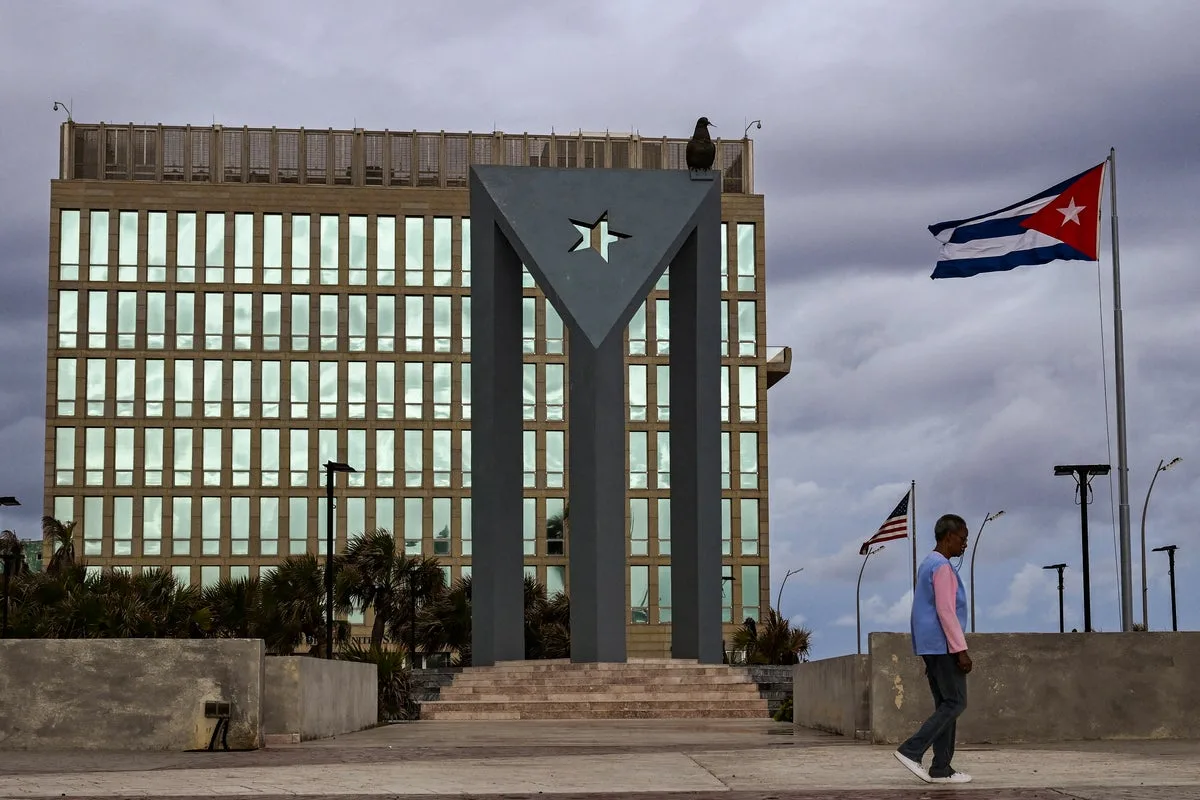
The Cuban government has formally declined a request from the United States Embassy in Havana to permit the importation of diesel fuel for its emergency generators. This decision comes as the Trump administration maintains a stringent fuel blockade against the Caribbean nation, according to two American officials with direct knowledge of the situation.

Diplomatic Tensions Escalate Over Fuel Access

The refusal to allow diesel imports represents a significant escalation in the ongoing diplomatic friction between Washington and Havana. The U.S. State Department has been actively considering a reduction in personnel at its Havana embassy due to the critical shortage of diesel, which is essential for powering generators during Cuba's frequent electricity outages.

Potential Staffing Reductions Loom

Should the United States proceed with downsizing its diplomatic presence in Cuba, officials indicate this would almost certainly trigger a reciprocal demand for equivalent staffing cuts at the Cuban Embassy in Washington. The officials, who requested anonymity due to the sensitive nature of the discussions, emphasized that such moves could further strain bilateral relations that have been deteriorating for years.

Wide Pickt banner — collaborative shopping lists app for Telegram, phone mockup with grocery list

Background of Cuba's Fuel Crisis

Cuba's current fuel predicament stems from multiple factors that have converged to create severe energy shortages across the island nation. The situation worsened dramatically after the United States intervened to remove Venezuela's leadership, which abruptly halted crucial petroleum shipments that Cuba had long relied upon.

Trump Administration's Hardline Stance

Former President Donald Trump subsequently threatened to impose substantial tariffs on any country that attempted to sell or supply oil to Cuba, effectively creating an international fuel blockade. This policy has forced Cuba to increasingly depend on its limited domestic energy resources, including natural gas reserves, solar power installations, and its own modest oil production.

Despite these efforts, Cuba's thermoelectric plants continue to operate below capacity, unable to meet the nation's basic energy demands. The resulting power shortages have affected everything from household electricity to critical infrastructure, creating widespread challenges for daily life across the island.

Broader Implications for US-Cuba Relations

The diesel import denial represents more than just a logistical dispute over fuel supplies. It highlights the deepening chasm in diplomatic relations between the two nations, with the embassy's operational capacity becoming collateral damage in broader geopolitical conflicts. The Washington Post first reported the Cuban government's rejection of the diesel import request, bringing the issue into public view.

As both nations navigate this latest impasse, the potential for reciprocal diplomatic downsizing looms large. Such developments could further complicate already challenging communications between Washington and Havana, potentially affecting everything from consular services to ongoing negotiations on various bilateral issues.

The situation remains fluid, with U.S. officials continuing to assess their options while Cuban authorities maintain their position regarding the fuel import restrictions. The outcome of this standoff may well set the tone for US-Cuba relations in the coming months, with energy access emerging as an unexpected but critical flashpoint in diplomatic engagements.

Pickt after-article banner — collaborative shopping lists app with family illustration