Cuban Border Forces Engage in Deadly Clash with US-Linked Gunmen
The Cuban Interior Ministry has reported that border guards killed four armed individuals and wounded six others during a confrontation involving a speedboat registered in Florida. This incident occurred off the coast of Villa Clara province on Tuesday, marking a rare and significant escalation in maritime tensions between Cuba and the United States.
Heightened Tensions Amidst Deepening Energy Crisis
The clash comes at a critical juncture, as Cuba grapples with a severe energy and humanitarian crisis exacerbated by a US oil embargo. The Cuban embassy in the US emphasized the nation's commitment to protecting its territorial waters, stating that national defense is a fundamental pillar for safeguarding sovereignty and regional stability. This statement underscores the growing friction between the two countries, particularly following recent US actions in Latin America.
In response to the worsening situation, the Trump administration has partially eased restrictions on oil deliveries from Venezuela to Cuba. The Treasury Department announced it would permit American and select international companies to resell Venezuelan-origin oil and petroleum products to Cuban private businesses and households. This move is intended to provide a lifeline to those affected by fuel shortages, though it explicitly excludes transactions with Cuban government institutions.

Humanitarian Aid and International Responses
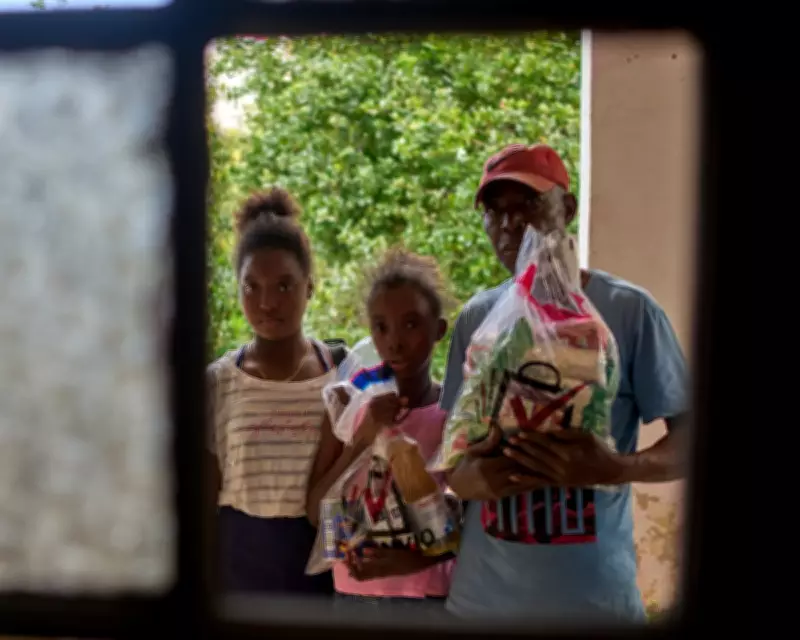
As the crisis deepens, international efforts to provide humanitarian assistance have intensified. Mexico has dispatched a second shipment of aid, including essential items like beans and powdered milk, while Canada has pledged $6.7 million in food aid through the United Nations. These actions highlight the global concern over the impact of the embargo, which has led to widespread blackouts lasting up to 20 hours daily and severe economic hardship in Cuba.
Regional leaders, including Jamaican Prime Minister Andrew Holness, have called for constructive dialogue between Cuba and the US to de-escalate tensions and promote stability. The Caribbean Community (Caricom) has expressed support for reforms aimed at alleviating the crisis, which threatens to affect migration and security across the region.
Broader Implications and US Policy Shifts
The US has also targeted other oil suppliers to Cuba, such as Russia, by intercepting tankers involved in sanctions-busting activities. In a recent development, the US military boarded a third oil tanker fleeing Venezuelan waters, further complicating Cuba's energy supply. During his State of the Union address, President Donald Trump claimed the US had secured over 80 million barrels of oil from Venezuela, framing it as a benefit for both American and Venezuelan people.
This complex scenario reflects the ongoing geopolitical struggles in the Americas, with Cuba caught in the crossfire of US foreign policy objectives. The new US guidance on oil sales aims to support the Cuban private sector and humanitarian needs, but its enforcement remains uncertain, relying on the Cuban government's cooperation. As tensions continue to soar, the future of US-Cuba relations hangs in the balance, with significant implications for regional stability and the well-being of the Cuban people.