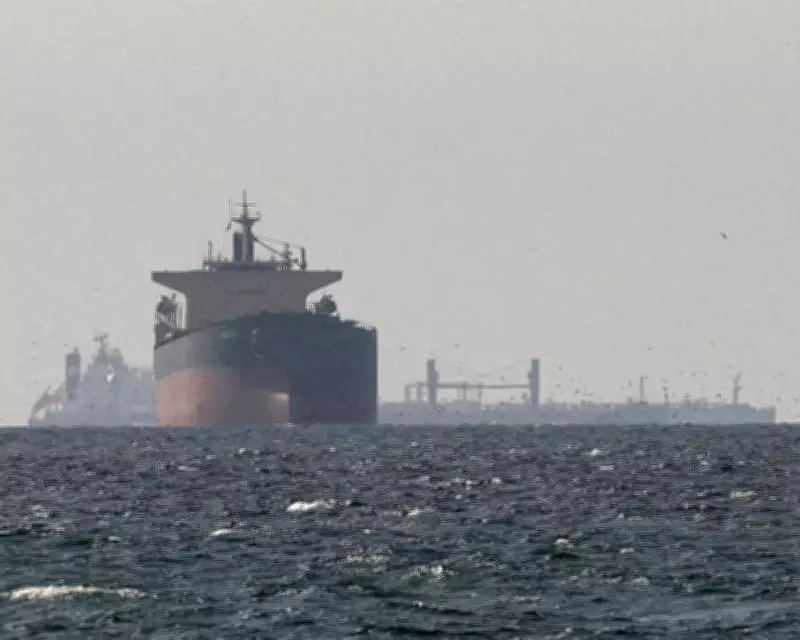
Strait of Hormuz Reopens to Commercial Shipping as Iran Issues Conditional Warning
In a significant development for global trade and Middle East tensions, Iran's foreign minister has declared the Strait of Hormuz fully open to commercial vessels, sparking a sharp decline in oil prices and raising hopes for a potential resolution to the ongoing regional conflict. The announcement, made earlier this week, was met with cautious optimism by international markets, though underlying geopolitical strains remain palpable.
Trump Hails Reopening While Maintaining US Naval Blockade
Former President Donald Trump responded to the news with a series of exuberant social media posts, proclaiming that Iran had agreed never to close the strategic waterway again. He described the event as "A GREAT AND BRILLIANT DAY FOR THE WORLD!" However, this claim has not been independently verified, and the situation remains fluid with competing narratives from Tehran and Washington.
Trump emphasised that the United States naval blockade of Iranian ports and shipping would continue until the conflict is completely resolved. This stance creates uncertainty for commercial vessels, as few are likely to risk passage through the strait under such volatile conditions, meaning any return to normal shipping patterns remains distant.

Iran's Qualified Support and Conditional Threats
The reopening pledge from Foreign Minister Abbas Araghchi received only qualified backing from the Islamic Revolutionary Guard Corps (IRGC), which has strengthened its authority in Tehran during the war. Iranian state television reported that commercial vessels would be permitted to travel through the Strait of Hormuz, but only along a specified route and with explicit permission from the IRGC navy.
Adding to the complexity, Iran's parliamentary speaker later warned that the strait could be shut again if the US blockade persists. This conditional threat underscores the fragile nature of the current arrangement and highlights the ongoing power struggle within Iranian leadership between diplomatic and military factions.
Broader Geopolitical Context and Domestic US Politics
The Hormuz developments occur against a backdrop of shifting US public opinion regarding Middle East policy. Recent polling indicates declining support for military aid to Israel, threatening the longstanding bipartisan consensus that has defined US-Israel relations for decades. This sea change in American attitudes, driven by human rights concerns from the left and "America First" sentiments on the right, could significantly impact future elections, including the 2028 presidential race.
Meanwhile, in Washington, Congress passed a 10-day extension of a controversial warrantless surveillance law after Republican infighting derailed plans for a longer renewal. This domestic political turmoil adds another layer of complexity to US foreign policy decision-making.
Additional Developments in US Politics and Society
Several other notable events unfolded simultaneously. An official at a Trump-aligned thinktank described children as "low-hanging fruit" in efforts to restrict gender-affirming care nationwide, reflecting broader conservative campaigns against transgender rights. Vice President JD Vance engaged in theological debates about just war theory with Pope Leo XIV, highlighting contrasts in their religious backgrounds and expertise.
Since returning to office last year, Trump has pardoned numerous white-collar criminals and forgiven billions in fines, penalties, and restitution—funds that were intended to support victims of violent crime. The Senate narrowly voted to overturn a mining ban near Minnesota's Boundary Waters wilderness area, while investigations revealed questionable hiring practices at Immigration and Customs Enforcement.
These domestic issues, combined with the delicate situation in the Strait of Hormuz, illustrate the interconnected nature of international diplomacy and domestic politics in shaping global stability and economic markets.