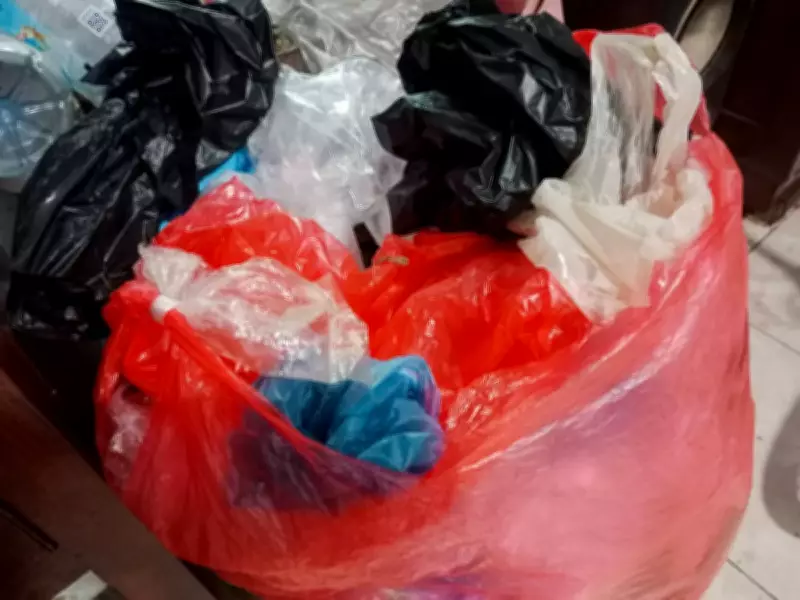
Soft plastics, such as crisp packets, bubble wrap, and plastic bags from groceries, remain one of the most persistent environmental challenges. These flexible materials cannot be processed through standard household recycling collections in the UK, making correct disposal a tricky task for many households.
Why Soft Plastics Cannot Go in Household Recycling
These plastics require specialist recycling facilities, which are not yet widely available in the UK. According to consumer group Which?, most soft plastics that are collected are downcycled into lower-quality products like bin bags or plastic garden furniture, unlike rigid plastics such as milk bottles which can be turned into new bottles.
When soft plastics are placed in general recycling bins, they can cause serious problems. Erha Andini, a chemical engineering expert and science communicator based in Delaware, explained to The Independent: “Once they get shredded or even before, a lot of times they just clog recycling equipment.” Clogged machinery can halt the entire recycling process and cause damage to equipment.

Where to Take Soft Plastics Instead
While some councils offer kerbside collection for soft plastics, this service remains uncommon. The recommended approach is to collect your soft plastics and drop them off at a large supermarket. Many major supermarkets have dedicated collection points for soft plastics, where you can deposit items such as:
- Crisp packets
- Bubble wrap
- Plastic bags from groceries
- Bread bags
- Frozen food bags
The Importance of Proper Disposal
Contamination of recycling bins is a widespread issue. Figures from the Waste and Resources Action Programme (WRAP) reveal that 81% of people place non-recyclable items into their recycling bins. Common contaminants include drinking glasses and food and drink foil pouches.
Although the UK currently lacks sufficient facilities to process all collected soft plastics, increased demand will drive greater supply. Therefore, taking care to recycle soft plastics correctly is crucial for improving the system and reducing environmental impact.