India's Removal of Lutyens Bust Sparks Debate on History and Politics
The recent removal of a bust of Edwin Lutyens, the Victorian architect who designed much of New Delhi, has ignited a significant controversy in India. Replaced by a bust of Chakravarti Rajagopalachari, a folk hero and the first Indian governor-general, this symbolic act has prompted widespread discussion on how nations handle their colonial past and historical narratives.
Symbolic Shift at the Presidential Residence
Edwin Lutyens is not just another name from India's colonial era; he is the architect behind iconic landmarks such as the Old Parliament House, Rashtrapati Bhavan, and India Gate. His bust, which stood for decades at the presidential residence, has now been substituted with one of Rajaji, a move that has stirred strong reactions on social media and beyond.
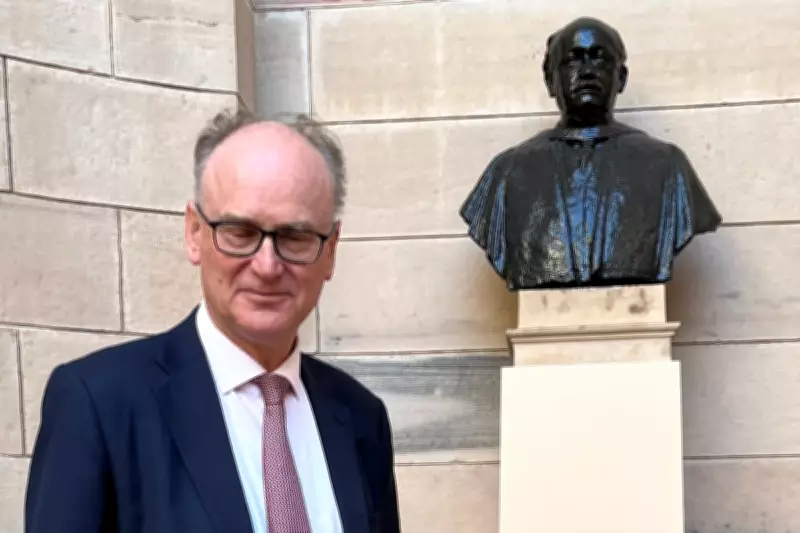
Among the critics is Lutyens' great-grandson, Matt Ridley, who expressed sadness over the removal from a building his ancestor designed. Some supporters have even suggested retaliatory actions, like removing statues of Mahatma Gandhi in London, highlighting how historical symbols can strain diplomatic relations.

Political Timing and Tamil Nadu Elections
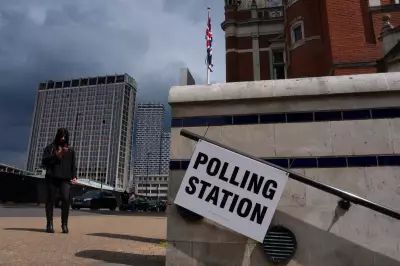
The timing of this replacement is particularly noteworthy, as Tamil Nadu approaches its elections. Narendra Modi's Bharatiya Janata Party (BJP) has long sought to gain ground in this state, and installing Rajaji's bust—a revered figure in Tamil political memory—may serve as both a historical correction and a strategic political signal.
This move raises questions about consistency in decolonisation efforts. Delhi still features numerous roads and landmarks with colonial names, such as Minto Road and Hailey Road, yet these have not faced similar urgency for change. This selectivity risks appearing more like retributive politics than principled historical reassessment.
Lessons from Britain's Approach to History
In contrast, Britain's approach to historical memory offers a different perspective. The English Heritage blue plaque scheme commemorates figures like Gandhi, Jawaharlal Nehru, and Tagore, acknowledging complex histories without erasing them. This method preserves a continuous narrative, suggesting that history can be layered and multifaceted rather than selectively edited.
This comparison underscores a larger issue: why does India's ruling establishment seem uneasy with certain chapters of its past? Architectural heritage, whether colonial or indigenous, tells the story of a civilisation's evolution. Dismantling symbols without a coherent framework risks reducing history to a mere political tool.
Broader Implications for National Memory
The replacement of Lutyens' bust with Rajaji's is more than a curatorial decision; it reflects the intersection of memory, identity, and electoral strategy. As Tamil Nadu heads to the polls, this gesture resonates beyond Rashtrapati Bhavan, potentially influencing voter perceptions and political outcomes.
History, when handled with care, can shape national confidence, but when wielded selectively, it may deepen divisions. The question is not whether Rajaji deserves honour—he undoubtedly does—but whether honouring one legacy necessitates erasing another. This issue demands serious reflection, as it reminds us that even monuments can become instruments in the calculation of power during election seasons.