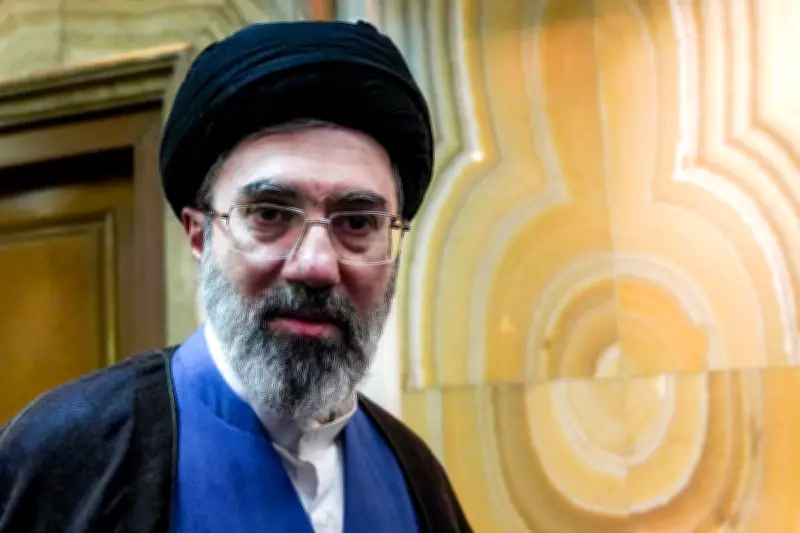
Iran's Supreme Leader, Mojtaba Khamenei, has issued a stark new message vowing revenge for the death of his father, who was killed in US-Israeli strikes earlier this year. In a statement broadcast on Iranian State TV, Khamenei declared that the regime is resolutely determined to avenge the loss, marking a significant escalation in regional tensions.
Supreme Leader's Statement on Retaliation
The statement, attributed directly to Mojtaba Khamenei, emphasized that Iran is not actively seeking war but will not forfeit its rights under any circumstances. It described all resistance fronts as a unified entity, suggesting a coordinated response to perceived aggressions. This rhetoric underscores Iran's longstanding policy of supporting proxy groups across the Middle East, which could now be mobilized in retaliation efforts.
Strategic Moves in the Strait of Hormuz
In addition to the revenge pledge, the announcement revealed that Iran will move the management of the Strait of Hormuz into a new phase. This critical waterway, through which a substantial portion of the world's oil shipments passes, has long been a flashpoint in international relations. The shift in management could involve increased military patrols, new regulations, or enhanced control measures, potentially disrupting global energy markets and escalating maritime conflicts.

Background on the Attack
Mojtaba Khamenei's father, Ali Khamenei, was killed in the initial US-Israeli strikes on Iran in February. These strikes, part of a broader military campaign, targeted key Iranian infrastructure and leadership figures, leading to widespread condemnation from Tehran. The death of the elder Khamenei, a pivotal figure in Iran's political and religious hierarchy, has left a power vacuum and fueled calls for vengeance within the regime.
Media and Public Guidance
The statement also urged Iranian citizens to avoid engaging with media outlets supported by the enemy, highlighting concerns over foreign influence and propaganda. This directive aims to consolidate domestic support and control the narrative surrounding the regime's actions, as Iran prepares for potential confrontations. By framing external media as adversarial, the leadership seeks to bolster national unity and resilience against perceived threats.
As tensions mount, the international community watches closely, with analysts warning that Iran's vow for revenge and the new phase in Strait of Hormuz management could trigger broader regional instability. The situation remains fluid, with further developments expected as Iran assesses its response options and strategic priorities in the wake of these devastating strikes.