Iranians Commemorate Khamenei Amid Ceasefire Breakdown with US and Israel
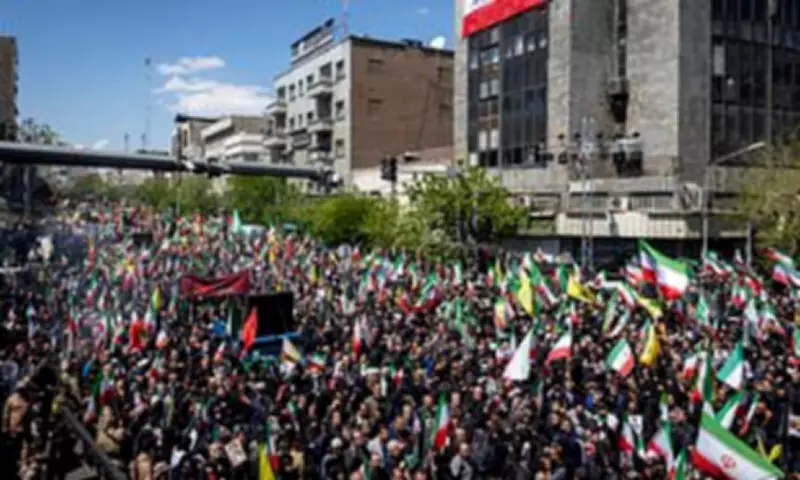
Thousands of Iranians have taken to the streets across the nation to observe the 40-day mourning period for former Supreme Leader Ali Khamenei, a significant Islamic rite of passage. This solemn gathering unfolds as a fragile ceasefire between Iran, the United States, and Israel shows signs of imminent collapse, with major disagreements threatening regional stability.
Nationwide Rallies Honor Deceased Leader
Supporters of Khamenei, who led the Islamic Republic for over 36 years, carried portraits of the late leader and waved national flags during rallies in cities including Tehran, Urmia, and Gorgan. The 86-year-old was killed in a US-Israeli attack on February 28, an event that sparked a broader Middle East conflict. In Tehran, where a temporary ceasefire had paused strikes since Tuesday night, a massive memorial march saw hundreds of thousands of participants bearing banners and flags.
The national tribute commenced at 9:40 am local time, precisely marking the moment Khamenei died at his residence alongside dozens of high-ranking officials. A state funeral was initially planned but could not proceed due to the ongoing war. His successor, Mojtaba Khamenei, who was wounded in a strike and has not appeared publicly since his appointment in early March, was absent from the ceremonies.

Ceasefire Disputes Intensify Regional Tensions
Just over a day after an 11th-hour agreement to halt attacks for two weeks, the ceasefire is on the verge of collapse. The US and Israel assert that the deal excludes Lebanon, where Israeli Prime Minister Benjamin Netanyahu has launched a major ground and air invasion. In contrast, Iran and mediator Pakistan insist the peace plan encompasses a complete cessation of war in Iran, Iraq, Lebanon, and Yemen.
On Wednesday, Israel escalated its bombing campaign in Lebanon, resulting in 182 fatalities as it targeted over 100 Hezbollah sites in some of the war's heaviest strikes. This action has fueled anger among Iranians, with many expressing solidarity with Lebanon and skepticism toward negotiations.
Public Sentiment Reflects Distrust and Defiance
Attendees at the memorial voiced mixed emotions, blending grief with defiance. Nastaran Safaie, a 24-year-old university student, declared, The leader is alive, he always prays for us and he is watching all of us now, and victory is definitely ours. Others, like Esmaeili, accused the US of acting in bad faith, citing historical patterns of broken promises.
Mahdi Mohaddes, a 41-year-old engineer, urged Iranian officials to reconsider participation in upcoming talks in Pakistan, while Mohammad Hossein Bonakdar, a 44-year-old institute director, highlighted widespread upset over the Lebanese casualties. Surrounded by Hezbollah flags, Mohaddes emphasized the movement's sacrifices for Iran, stating, Now it is our duty to act in response to this aggression.
President Masoud Pezeshkian participated in the tribute, posing for photos with attendees, as broadcast on state television. The ceremonies underscore a nation grappling with loss while navigating escalating geopolitical strife, with the ceasefire's failure threatening to reignite full-scale hostilities across the region.