Israel has firmly declared that upcoming diplomatic talks with Lebanon will not include any discussions regarding a ceasefire with Hezbollah, instead focusing squarely on disarming the militant group and establishing peaceful bilateral relations. This announcement comes as tensions escalate in the region, with both sides continuing military operations that have resulted in significant casualties.
Diplomatic Stance on Hezbollah
Shosh Bedrosian, representing Israeli authorities, stated unequivocally that Israel will not entertain ceasefire negotiations with Hezbollah, citing the group's persistent and indiscriminate attacks against Israeli territory. This position underscores Israel's strategic priority to neutralize what it views as a direct security threat rather than seeking temporary truces.
Human Cost of the Conflict
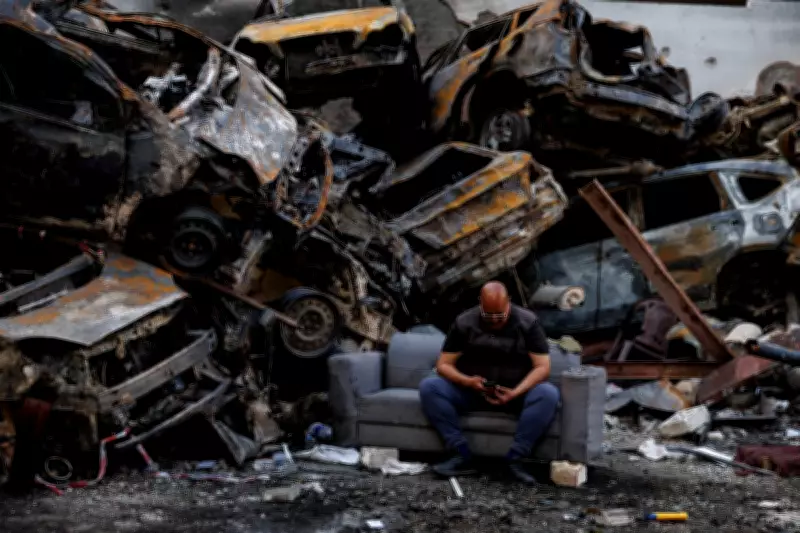
The ongoing hostilities have exacted a heavy toll, particularly in Lebanon. According to recent reports, Israeli airstrikes have resulted in 2,089 fatalities in Lebanon, including 252 women, 166 children, and 88 medical workers. These figures highlight the devastating impact on civilian populations and humanitarian personnel caught in the crossfire.

Hezbollah's Continued Offensives
In response, Hezbollah has maintained its offensive operations, launching rockets and drones targeting northern Israel. These attacks have triggered air raid sirens in border communities and as far as Haifa, demonstrating the group's capability to threaten major population centers and disrupt daily life.
Upcoming Direct Negotiations
These developments set the stage for direct negotiations between Lebanon and Israel, scheduled to commence in the United States. These talks mark a significant diplomatic milestone, being the first such bilateral discussions in decades, and are expected to address core issues of security and regional stability.
Broader Regional Context
The situation is further complicated by related geopolitical tensions. Former US President Donald Trump has accused Iran of blackmailing the world over the Strait of Hormuz, alleging that Tehran seeks to leverage the strategic waterway for political gains. This adds another layer of complexity to the regional dynamics, with implications for international diplomacy and security.
As preparations for the Lebanon-Israel talks advance, the exclusion of ceasefire discussions with Hezbollah signals a hardened Israeli approach, prioritizing long-term disarmament over short-term de-escalation. The outcome of these negotiations could reshape regional relations and influence broader Middle Eastern politics.