Historic Diplomatic Talks Commence Between Lebanon and Israel in Washington
In a significant diplomatic development, Lebanon and Israel are scheduled to hold their first direct negotiations in decades this Tuesday in Washington, following over a month of intense and devastating conflict between Israel and the Iran-backed Hezbollah militant group. The talks, hosted by the United States, represent a crucial effort to halt the violence that has severely impacted the small Mediterranean nation of Lebanon.
High-Level Participation and Human Toll
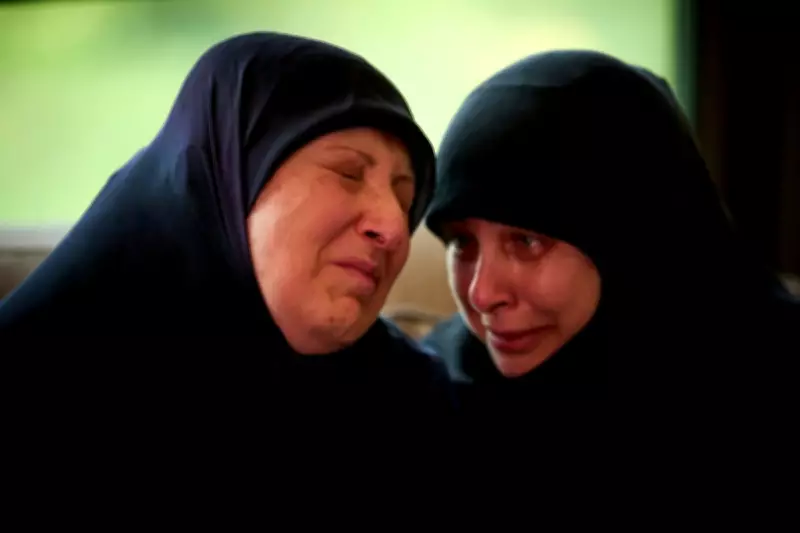
US Secretary of State Marco Rubio will participate in the discussions, alongside Israel’s Ambassador to the US, Yechiel Leiter, and Lebanon’s Ambassador to the US, Nada Hamadeh Moawad. The war has exacted a devastating human toll, with the Lebanese Health Ministry reporting at least 2,089 fatalities from Israeli strikes, including 252 women, 166 children, and 88 medical workers. A further 6,762 individuals have been wounded, and over one million people are now displaced, highlighting the urgent need for a resolution.
Lebanese Hopes and Skepticism
The Lebanese government hopes these negotiations will pave the way to an end to the hostilities, insisting on representing itself independently despite Iran's influence. However, Hezbollah and critics remain skeptical, arguing that Lebanon's government in Beirut has no leverage and should instead rely on Iran's position as a key ally. Hezbollah Secretary-General Naim Kassem has called for the talks to be cancelled, advocating for a return to the 2024 agreement that involved indirect negotiations with mediators like the US, France, and the United Nations.

Israeli Military Actions and Stance
Meanwhile, the Israeli military continues its invasion into southern Lebanon, with some officials stating the aim is to create a depopulated “security zone” from the border to the Litani River, approximately 30 kilometers (20 miles) inland. Hezbollah, though weakened from its last war with Israel in November 2024, continues to fire drones, rockets, and artillery daily into northern Israel and at ground troops inside Lebanon. Israel has ruled out a ceasefire, with a spokeswoman for Prime Minister Benjamin Netanyahu stating, "We will not discuss a ceasefire with Hezbollah, which continues to carry out indiscriminate attacks against Israel and our civilians."
Background and Diplomatic Efforts
These talks are the first between the two nations since 1993, according to a U.S. State Department official who spoke on condition of anonymity. Lebanon's top political authorities, critical of Hezbollah's decision to fire rockets towards Israel on March 2 in solidarity with Iran, quickly proposed direct talks in a bid to stop the escalation. Israel did not respond positively until last week, after launching 100 strikes across Lebanon, including in the heart of the capital, Beirut.
Lebanese Demands and International Context
Beirut is seeking a truce as a prerequisite to talks, similar to Pakistan-brokered negotiations between the U.S. and Iran. Lebanese President Joseph Aoun, who came to power vowing to disarm non-state groups including Hezbollah, emphasized on Monday, "Israel’s destruction of Lebanese territories is not the solution, nor will it yield any results. Diplomatic solutions have consistently proven to be the most effective means of resolving armed conflicts globally." The discussions aim to ensure long-term security on Israel’s northern border and support Lebanon in taking control of its territory and political future from Hezbollah.