Historic Diplomatic Meeting Between Lebanon and Israel in Washington
In a significant development, Lebanon and Israel are scheduled to engage in their first direct diplomatic talks in decades this Tuesday in Washington. This meeting comes after more than a month of intense conflict that has severely impacted both nations. The talks represent a crucial step towards potential de-escalation and long-term stability in the region.
Key Participants and Objectives
US Secretary of State Marco Rubio will actively participate in the discussions, alongside Israel’s Ambassador to the US, Yechiel Leiter, and Lebanon’s Ambassador to the US, Nada Hamadeh Moawad. According to a U.S. State Department official, the primary aim of this meeting is to explore strategies for ensuring long-term security along Israel’s northern border. Additionally, the talks will focus on supporting Lebanon in its efforts to regain control over its territory and political future from Iran-backed Hezbollah, which has wielded significant influence in the country.
Impact of the Ongoing Conflict
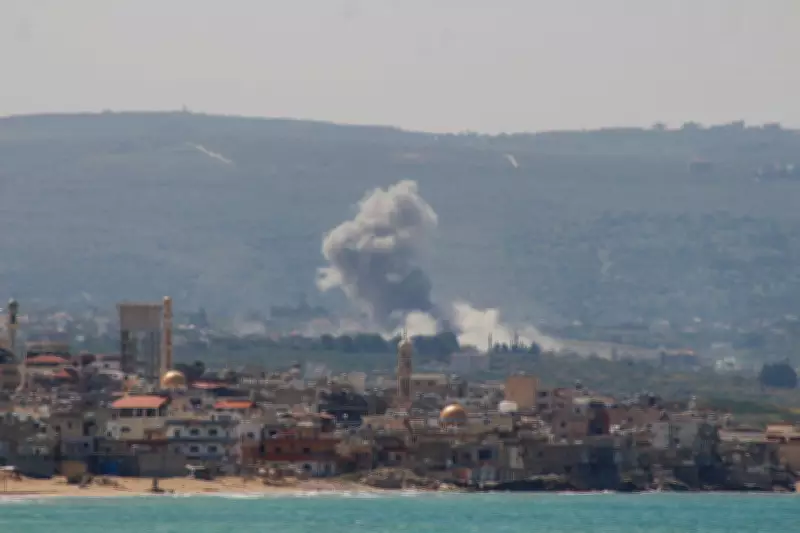
The conflict has resulted in devastating human costs, with 2,089 fatalities reported and over one million people displaced in Lebanon due to Israeli strikes. Meanwhile, Hezbollah continues to launch daily attacks on northern Israel, exacerbating tensions and humanitarian concerns. The scale of displacement and loss of life underscores the urgent need for diplomatic intervention to prevent further escalation and suffering.

Lebanon’s Stance and Challenges
Lebanon is hopeful that these negotiations will lead to a cessation of hostilities and a path towards peace. The Lebanese government insists on representing itself in the talks, asserting its sovereignty despite facing scepticism from Hezbollah and other critics who question its leverage and ability to negotiate effectively. This internal dynamic adds complexity to the diplomatic process, as Lebanon seeks to balance domestic pressures with international expectations.
Broader Implications and Future Prospects
The outcome of these talks could have far-reaching implications for regional security and international relations. If successful, they may pave the way for more sustained dialogue and cooperation between Lebanon and Israel, potentially reducing the influence of non-state actors like Hezbollah. However, challenges remain, including deep-seated mistrust and the ongoing violence, which could hinder progress. The international community, particularly the United States, plays a pivotal role in facilitating these discussions and encouraging constructive outcomes.
As the world watches, this historic meeting in Washington marks a critical juncture in the long-standing conflict between Lebanon and Israel. The stakes are high, with millions of lives and regional stability hanging in the balance, making these talks a focal point for global diplomacy and peace efforts.