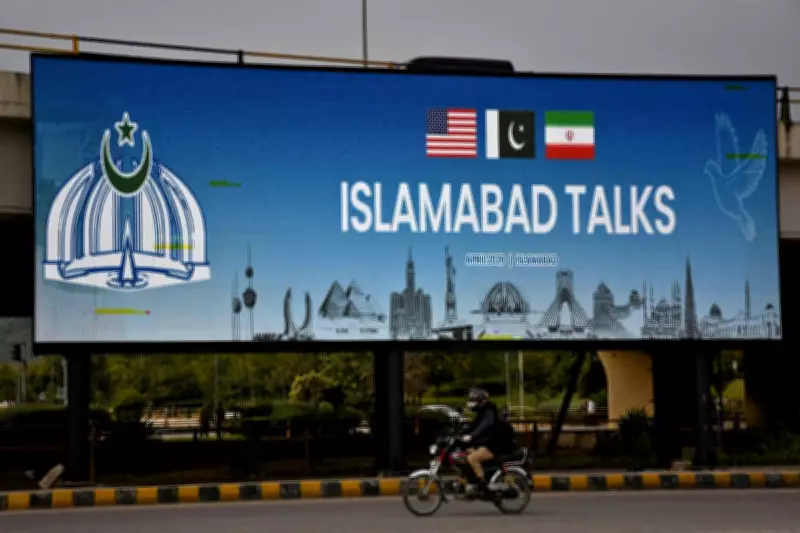
Pakistan is reportedly intensifying efforts to bring the United States and Iran back to the negotiating table for a second round of peace talks, as the ceasefire in the Middle East conflict approaches its expiration date of 21 April. Diplomatic sources indicate that Islamabad remains determined to break the deadlock and secure a deal to end the seven-week war that has destabilised global markets and disrupted shipping routes.
Urgent Diplomatic Push
According to informed sources, both American and Iranian delegations could return to Islamabad as early as this weekend, though no firm date has been set. The Pakistani government has reportedly sent proposals to both nations urging them to resume dialogue, with officials confirming they have received positive signals from Tehran about participating in renewed negotiations.
First Round Breakdown
The initial round of talks, held last weekend in Islamabad's Hotel Serena, marked the first direct encounter between US and Iranian officials in over a decade and the most senior engagement since Iran's 1979 Islamic Revolution. Sources reveal the parties came "very close" to agreement, reaching approximately 80 per cent consensus before negotiations collapsed over critical sticking points.

US Vice President JD Vance represented the Trump administration, while Iran sent parliamentary speaker Mohammad Baqer Qalibaf and foreign minister Abbas Araqchi. Pakistani mediators, including army chief Asim Munir and foreign minister Ishaq Dar, worked through the night to keep discussions on track during tense moments when participants temporarily left the room.
Key Negotiation Points
The reopening of the Strait of Hormuz, Iran's nuclear programme, and international sanctions emerged as primary concerns during the failed negotiations. The strategic waterway, a crucial transit point for global energy supplies, was blocked by Iran following US attacks that killed Supreme Leader Ayatollah Ali Khamenei.
American demands included:
- A 20-year moratorium on uranium enrichment
- Dismantling of major nuclear facilities
- Surrender of highly enriched uranium
- End to funding for regional proxies
- Full reopening of Hormuz without excessive tolls
Iranian counter-demands included:
- Permanent ceasefire guarantees
- Ban on future strikes against Iran and allies
- Lifting of primary and secondary sanctions
- Unfreezing of all assets
- Recognition of enrichment rights
- Continued control of Hormuz
Nuclear Programme Impasse
The most significant disagreement centred on Iran's nuclear ambitions, with Tehran reportedly offering only a five-year freeze on its programme against Washington's demand for twenty years. Experts suggest potential compromise might be found at an intermediate duration, possibly around ten years.
Pakistan's Diplomatic Leverage
Analysts believe Pakistan retains crucial diplomatic cards despite the initial failure. Abdullah Khan, managing director at the Pakistan Institute for Conflict and Security Studies, notes that Islamabad has already achieved partial success by maintaining the ceasefire and preventing resumed airstrikes.
"Pakistani officials are engaged with both countries and still pursuing their efforts," Khan stated. "We have seen that no airstrikes have resumed from Israel or America on Iran so far, and Pakistan has persuaded Iran to avoid targeting Gulf nations."
Strategic Positioning
Former Pakistani ambassador Asif Durrani emphasised Pakistan's unique position as a trusted intermediary: "Pakistan enjoys loyalty to Iran as the only regional ally and has a great deal of trust with the Trump administration." This assessment was reinforced when Vice President Vance publicly praised Pakistani leadership during a Fox News appearance.
Dr Kamran Bokhari, senior resident fellow at the Middle East Policy Council, added: "It only makes sense for Pakistan to host another round as a third-party mediator. The President of the United States will only come if there's a deal to be signed, not for just another meeting."

Regional Stalemate
The diplomatic urgency has increased as the US declared a blockade of Iranian ports while Tehran threatened regional strikes. Although the ceasefire has held temporarily, experts warn the Hormuz standoff risks reigniting hostilities with severe economic consequences.
Durrani analysed the military impasse: "The US has realised it does not enjoy the geographical advantage which Iran has, and neither does Israel. More importantly, neither Israel nor the US are ready to put their boots on the ground. If that's the situation, it's a stalemate."
Path Forward
With the ceasefire deadline approaching, Pakistani diplomats continue shuttle diplomacy between the parties. Sources indicate delegations are keeping Friday through Sunday open for potential talks, though timing remains dependent on both sides' willingness to compromise.
Experts suggest that while major obstacles remain, Pakistan's persistent mediation efforts represent the most viable path toward de-escalation. The coming days will determine whether Islamabad can translate its diplomatic capital into a breakthrough before the fragile ceasefire collapses.