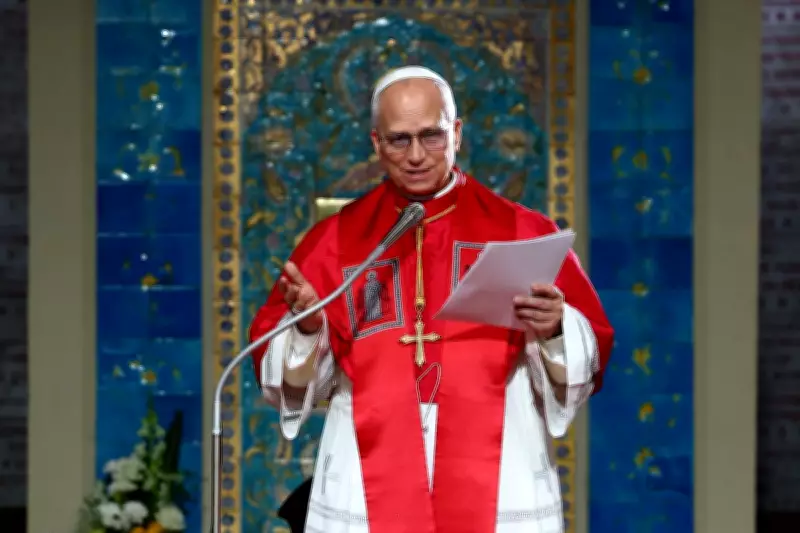
Pope Leo XIV Condemns Trump's Criticism, Reaffirms Moral Voice on Iran Conflict
In a resolute response to former US President Donald Trump, Pope Leo XIV has condemned threats to Iranian civilisation and defended his opposition to the Iran war, emphasising that his stance is based on moral and theological principles rather than political motives. The escalating feud between the two figures has highlighted deep divisions over international conflict and the role of religious leadership in global affairs.
Timeline of Escalating Tensions Between Trump and Pope Leo
The conflict began when Pope Leo XIV publicly criticised military threats against Iran, prompting Trump to accuse him of acting as a politician rather than a spiritual leader. In a sharp retort, the Pope asserted that his primary role is to proclaim the gospel and define moral limits, stating he has no fear of the Trump administration. This exchange underscores a broader clash between secular political strategies and religious ethical frameworks.
Roots of the Pope's Opposition: Moral and Theological Foundations
Pope Leo XIV's opposition to the Iran war is deeply rooted in a commitment to human dignity and the restraint of violence, drawing from Catholic teachings on peace and justice. Throughout his pontificate, he has consistently applied moral reasoning to contemporary issues, including conflicts in Ukraine and Gaza, migration policies, and the ethical implications of artificial intelligence. His interventions challenge the notion that political decisions can be separated from questions of right and wrong, positioning him as a steadfast moral voice in an increasingly polarised world.

Broader Implications for Global Diplomacy and Religious Leadership
This confrontation reveals significant tensions in how global leaders address international crises. Pope Leo XIV's stance reinforces the Vatican's historical role in advocating for peace and human rights, while Trump's criticism reflects a more pragmatic, power-oriented approach to foreign policy. The Pope's unwavering position suggests that religious institutions may continue to play a critical role in shaping moral discourse on war and conflict, even as political landscapes evolve.
In summary, Pope Leo XIV's response to Trump's attack highlights his dedication to moral principles over political expediency, offering insights into the ongoing debate over ethics in global governance. His leadership underscores the importance of integrating moral considerations into political decision-making, particularly in matters of war and peace.