Russian Oil Tanker in Cuba Fuels Speculation on Secret US Talks
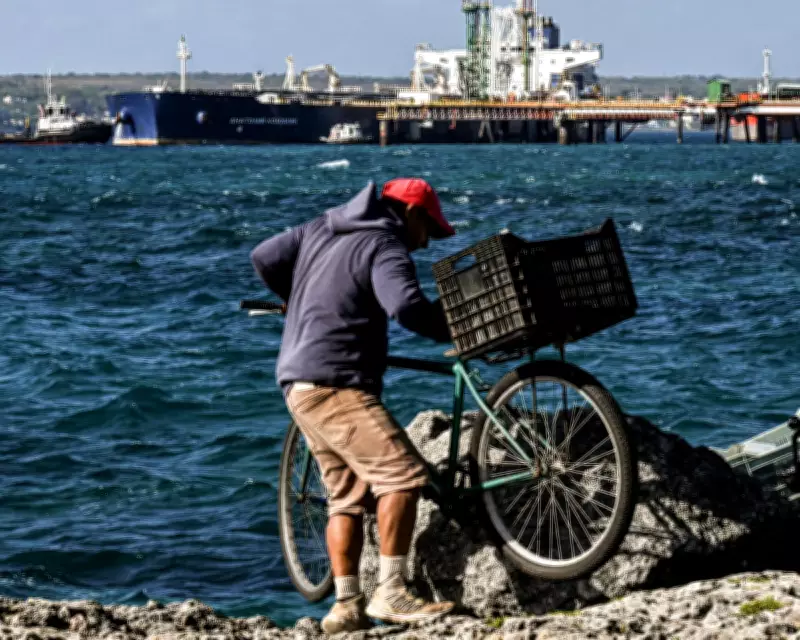
A sanctioned Russian oil tanker, the Anatoly Kolodkin, docked at the Matanzas oil terminal in north-western Cuba on 31 March, unloading 700,000 barrels of crude. This event has ignited intense analysis among observers, who are studying it for signs of progress in secret negotiations between the United States and Cuba.
Contradictory Moves in US Policy
In January, US President Donald Trump proclaimed on social media, "THERE WILL BE NO MORE OIL OR MONEY GOING TO CUBA – ZERO!" Yet, last week, he told reporters, "If a country wants to send some oil into Cuba right now, I have no problem with it" – effectively allowing the Russian ship to pass through his oil blockade. This shift has left many diplomats and analysts puzzled, searching for underlying motives.
Prisoner Release Adds to the Puzzle
On Thursday, Cuba announced the release of 2,010 prisoners, framing it as a humanitarian gesture for Holy Week. However, observers were quick to link this move to the tanker's arrival, seeing both events as potential evidence that back-channel talks between Washington and Havana are continuing. William LeoGrande, a professor of government at American University in Washington, noted, "It suggests that the two sides may be making reciprocal gestures of good will to advance the conversations they have been having."

Economic Crisis Deepens in Cuba
The US oil blockade has exacerbated an already struggling Cuban economy, pushing it further into crisis. Key sectors are in decline:
- Tourism is nearly dead, with airlines from Canada, Russia, China, and France ceasing operations, and Iberia set to leave at the end of May.
- Most petrol stations are closed, and blackouts, once sporadic, are now a daily occurrence.
- The population, estimated at 9.5 million after a 2 million-strong exodus in the last five years, is exhausted. One man outside a church in El Cobre lamented, "Everything is collapsing – health, education, transport, everything."
Diplomatic Interpretations and Strategic Moves
Diplomats have offered varying interpretations of the tanker's arrival. One ambassador suggested it could be a tactical move by the White House to point to specific actions as the humanitarian emergency worsens. However, others see it as a confidence-building measure indicating progress in negotiations. The prisoner release supports the latter view, hinting at a more transactional approach.
Meanwhile, another Russian tanker, the Sea Horse, carrying 200,000 barrels of fuel, moved to Venezuela after the Anatoly Kolodkin arrived in Cuba. This choreography suggests the oil shipments are part of a series of incentives being offered to the Cuban government.
Emergence of Private Businesses and Regime Dynamics
Since 2021, Cuba has permitted the growth of small to medium-sized private businesses, known as Mipymes, now numbering over 10,000. These enterprises have created a wealthy class, many with links to the regime and Gaesa, the army's economic wing. Raúl Guillermo Rodríguez Castro, a key figure in negotiations with the US, is the grandson of former president Raúl Castro and son of the former head of Gaesa.
This week, CNN interviewed Sandro Castro, Fidel's grandson, a 33-year-old influencer and businessman. He stated, "There are many people here who want to do capitalism with sovereignty. I think the majority of Cubans want to be capitalist, not communist," and criticized current president Miguel Díaz-Canel. Normally, such remarks would invite state security intervention, but in this case, they did not, suggesting a potential shift in regime tolerance.
Potential Outcomes and Challenges
A possible route forward could involve Cuba opening its economy while senior regime members, including Castros, retain power and influence. This aligns with Trump's desire for a "friendly" takeover of Cuba, mirroring events in Venezuela. However, challenges remain:

- Marco Rubio, Trump's Cuban-American secretary of state, has long opposed the Castros, and hardliners in Miami may resist any deal involving them.
- Approximately 40% of Cubans, often elderly and reliant on the state, could be left vulnerable, facing starvation as the economy transforms.
As negotiations continue, Cubans are left analyzing every scrap of information, hoping for relief from the deepening crisis.