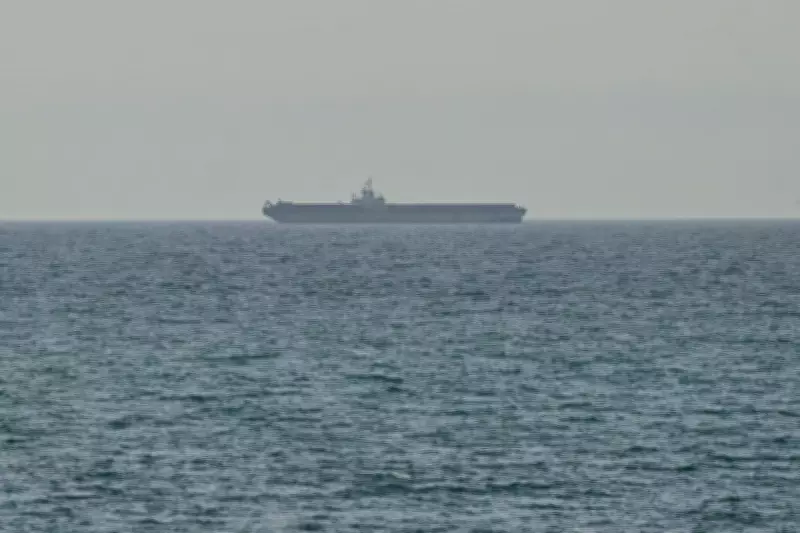
Trump's Proposal for Strait of Hormuz Blockade Stirs International Concerns
Former United States President Donald Trump has floated the idea of imposing a naval blockade on the Strait of Hormuz, a strategically vital waterway in the Middle East. This proposal, reported by The Independent, has ignited fears of escalating tensions with Iran and disrupting global oil supplies. The Strait of Hormuz serves as a crucial chokepoint for maritime trade, with approximately one-fifth of the world's oil passing through it daily.
Potential Impacts on Global Energy Markets and Geopolitics
The suggestion of a blockade comes amid longstanding animosity between the US and Iran, particularly over Tehran's nuclear program and regional influence. If implemented, such a move could severely impact energy markets, potentially leading to spikes in oil prices and supply chain disruptions. Experts warn that this could exacerbate inflation and economic instability worldwide, affecting consumers and industries reliant on stable fuel costs.
China's role in this scenario adds another layer of complexity, as the Asian giant is a major importer of oil from the region. Any blockade might strain US-China relations, with Beijing likely to oppose actions that threaten its energy security. This development underscores the delicate balance of power in the Middle East, where geopolitical rivalries often intersect with economic interests.

Historical Context and Legal Implications
The Strait of Hormuz has been a flashpoint in international relations for decades, with Iran previously threatening to close it in response to sanctions or military threats. Under international law, blockades are considered acts of war, and implementing one without United Nations approval could violate maritime norms. Trump's proposal, therefore, raises questions about its legality and the potential for military confrontation.
Analysts note that while Trump is no longer in office, his influence persists in Republican circles, and such statements could shape future US foreign policy debates. The current Biden administration has pursued diplomatic engagement with Iran, but Trump's remarks highlight the ongoing partisan divide over how to handle Tehran.
- Increased risk of armed conflict in the Persian Gulf region.
- Potential for higher gasoline prices and economic ripple effects.
- Strained diplomatic ties between the US, Iran, and allied nations.
- Legal challenges under international maritime agreements.
In summary, Trump's blockade idea underscores the persistent volatility in Middle Eastern geopolitics and its far-reaching consequences for global stability. As discussions continue, stakeholders from governments to energy companies are closely monitoring the situation, wary of any moves that could trigger a broader crisis.