New DNA Techniques Revive Hope in Decades-Old Birkenhead Murder Case
Merseyside Police have launched a renewed investigation into the notorious "Beast of Birkenhead" murder, employing advanced familial DNA searches that could finally identify the killer after nearly four decades. This development follows the exoneration of Peter Sullivan, who spent 38 years in prison for a crime he did not commit.
Wrongful Conviction and New Forensic Hope
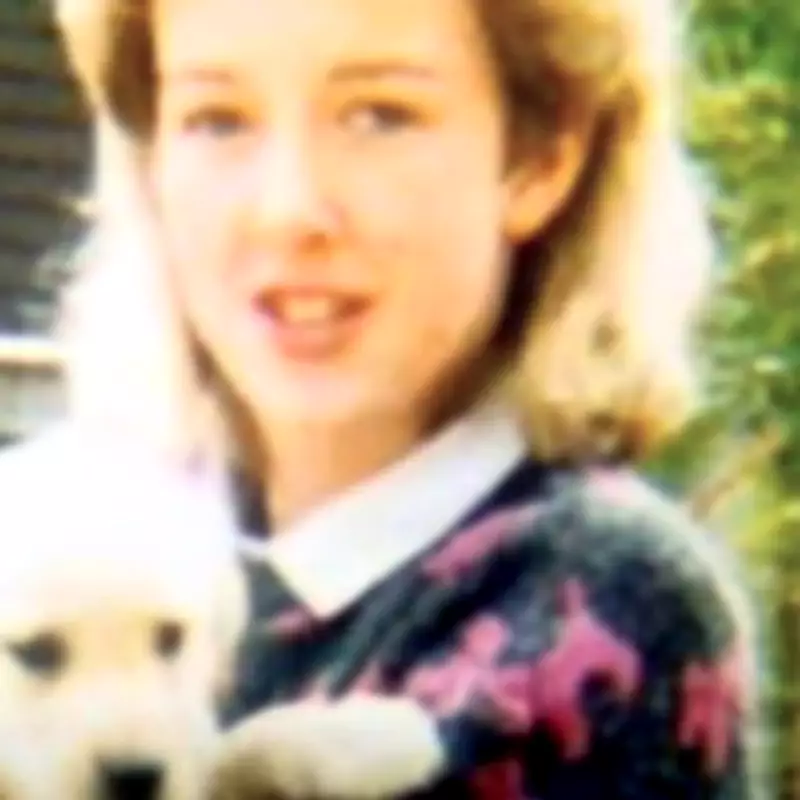
The case centers on the brutal murder of 21-year-old florist Diane Sindall, who was sexually assaulted and killed on August 1, 1986, after her car ran out of petrol on Borough Road in Birkenhead. Peter Sullivan, now 68, was wrongly convicted and imprisoned for almost forty years before DNA evidence conclusively proved his innocence last year.
Detective Superintendent Rachel Wilson, leading the renewed investigation, explained the significance of the new approach: "Semen was left at the murder scene, and that DNA profile is not on the national database. Our main aim is to identify who that profile belongs to using techniques that weren't available in 1986."

The police have already eliminated 500 men through DNA testing, but now they are pursuing familial DNA searches that could identify the killer through partial matches with relatives in the database.
How Familial DNA Searching Works
Familial DNA searching is a forensic technique that identifies potential suspects by finding partial matches in the UK National DNA Database, which contains over 6 million records from criminals, suspects, and crime scenes. This method can identify parents, siblings, or children of the suspect, even if the perpetrator has died or emigrated.
"So even if the man responsible has now passed away or emigrated, we can still do that DNA work around family members, taking elimination samples from them," Det Supt Wilson emphasized during a recent BBC Crimewatch appeal.
The Night of the Murder
Diane Sindall was working part-time at the Wellington Pub in Bebington to save money for her wedding when tragedy struck. After her late shift ended around 11:45 PM, she drove her blue van until it ran out of petrol. Witnesses reported seeing her walking along Borough Road, wearing jeans and a distinctive white top with large green spots.
Several sightings placed her on the road that night:
- A bus driver reported seeing her around 12:03 AM
- A taxi driver spotted her seven minutes later, describing a couple arguing with a man putting his arm out toward a woman
- Another couple commented on a woman wearing a spotted blouse being out late
Det Supt Wilson believes the arguing couple may have been Diane and her attacker: "From the timing and the sighting, I believe that is potentially going to be Diane with our offender."
Community Impact and Memorial
The murder had a profound effect on the Birkenhead community, with Det Supt Wilson noting: "It was a crime that left women feeling unsafe in the local area. It's such a normal thing to do—your car breaks down and you go get petrol—and Diane should have been safe when she did that."
A poignant memorial on Borough Road still receives flowers and teddy bears decades later. The granite stone reads: "Murdered 2.8.1986 because she was a woman. In memory of all our sisters who have been raped and murdered. We will never let it be forgotten."
Police Appeal and Description
Police are seeking information about a man seen arguing with Diane that night, described as white, approximately 5 feet 10 inches tall, in his 20s, with brown hair and no facial hair. He was wearing a brown hip-length jacket and baggy jeans, possibly work jeans.
Det Supt Wilson made an emotional appeal: "There is someone who knows what happened to Diane and who is responsible. Forty years on, be that brave person now and speak up." A £20,000 Crimestoppers reward has been offered as an incentive for information.
Broader Implications
The UK National DNA Database has produced over 820,000 matches to unsolved crimes since 2001, demonstrating the power of forensic science in criminal investigations. This case highlights both the potential of new DNA techniques and the tragic consequences of wrongful convictions.

Peter Sullivan described being beaten by police officers and "bullied" into falsely confessing during 22 interviews over four weeks, during which he was denied legal representation for the first seven interviews. His learning difficulties were not properly considered during the original investigation.
As the investigation continues, police remain hopeful that familial DNA searching will provide the breakthrough needed to solve this decades-old case and bring closure to Diane Sindall's family and the Birkenhead community.