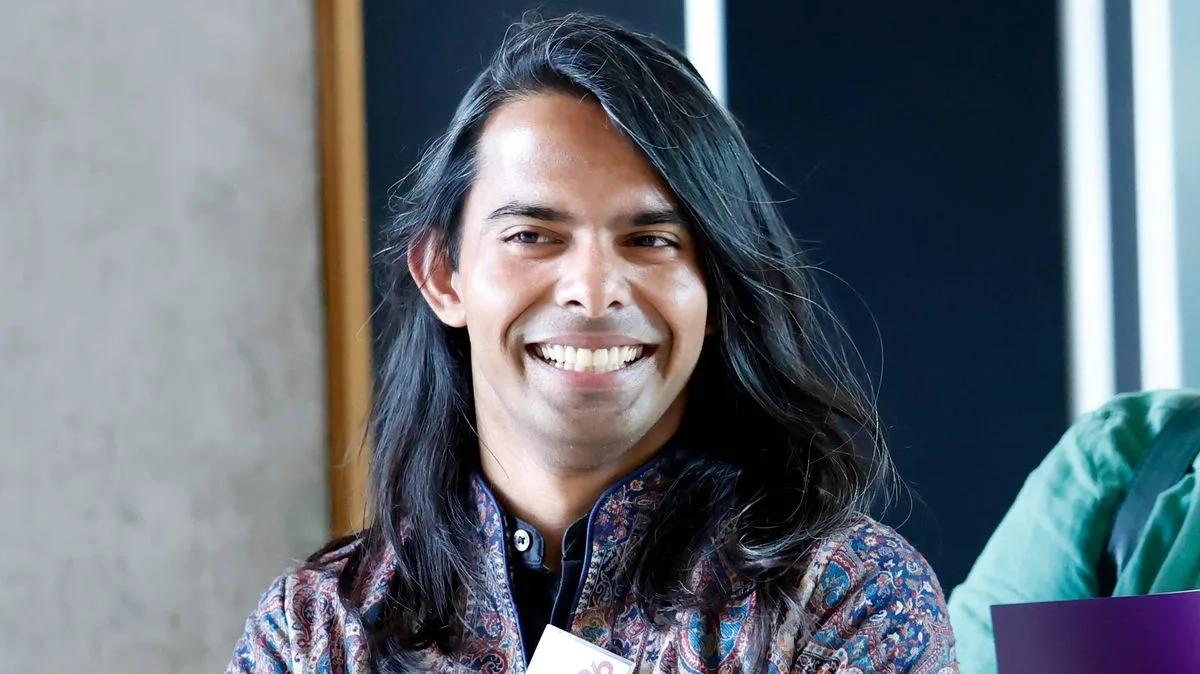
Dr Q Manivannan, one of two transgender Green MSPs elected this week, has revealed they are currently on a student visa and are in the process of applying for a graduate visa to extend their right to work in the UK. The non-binary MSP, who uses they/them pronouns, also intends to apply for a global talent visa to remain in the UK for their entire parliamentary term and beyond.
Speaking about their visa situation, Dr Manivannan said: 'Every MSP from every party represented in the Scottish Parliament unanimously voted to allow everyone with the right to live here to stand in elections, including new Scots on visas like me. I am a Commonwealth citizen and am currently on a student visa which will expire later this year. Having passed my grant-funded PhD and viva, I am able to work full-time. I am in the process of transitioning to a graduate visa which will allow me to stay in the UK for a further three years.'
The MSP, originally from Tamil Nadu, India, criticised the Home Office as 'dehumanising' towards migrants and vowed to challenge this during their time in office. They said: 'I am proud of my heritage and who I am. I am also proud to be a voice for all my constituents, including migrants and people on visas who are often shut out of our national debate. Scotland is home, in every way.'

Dr Manivannan added: 'The Scottish Greens want to build a fair and humane system that treats people with dignity and respect rather than the current Home Office system that is costly, difficult, and often dehumanising. With my election, I seek to represent that goal.'
A Scottish Parliament spokesperson confirmed that it is the responsibility of individual candidates and parties to ensure qualifications for standing for election are met, and that Parliament plays no role in checking elected candidates. Green Party co-leader Gillian Mackay said the party would support Dr Manivannan in their visa renewal process, though she believes it is 'unlikely' they will be rejected.