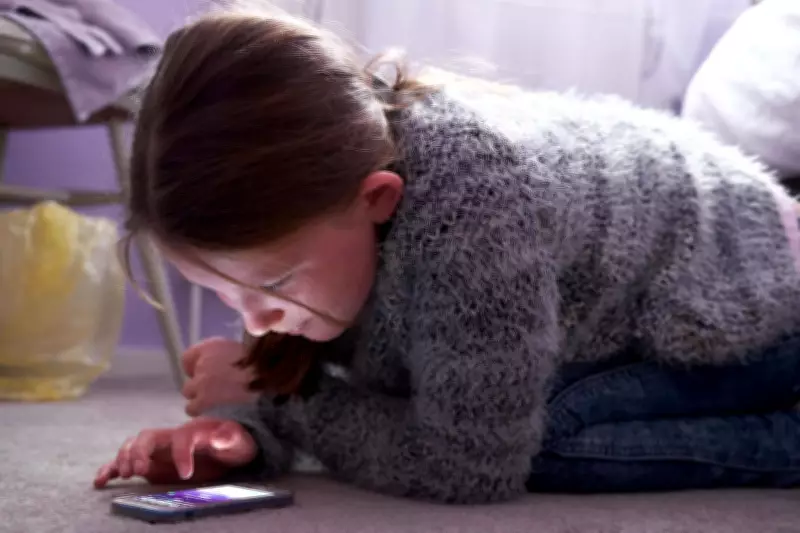
Social media poses a threat to young people's health comparable to smoking, according to a new report from the Academy of Medical Royal Colleges. The warning comes as the Government's 'Growing Up In The Online World' consultation closes, with measures including an Australia-style ban for minors, app curfews, and limits on addictive features under consideration.
Doctors Report Alarming Trends
In a report submitted to the consultation, the academy highlighted that doctors are witnessing 'a wave of radicalised children' exposed to 'hateful, addictive and grossly distressing content'. A survey of 454 doctors found that half had treated at least one child per week whose mental distress or physical injury was directly linked to online content. The report included harrowing accounts of deaths and injuries resulting from 'replicating acts of extreme pornography' and interests in violence or radicalisation.
Political and Public Response
Former health secretary Wes Streeting, in his first public statement since leaving Cabinet, compared social media to tobacco. 'It's extremely addictive, bad for our health, and Big Tech is borrowing the Big Tobacco playbook to avoid regulation,' he said. 'We've got to give our children their childhood back. A ban for under-16s must be the start, not the end.'

Families who have lost relatives to online harm are set to meet Prime Minister Sir Keir Starmer on Tuesday, urging him to honour the Government's promise to impose social media restrictions on under-16s. The Government announced in April it would introduce 'age or functionality restrictions' regardless of the consultation outcome, with proposals due by summer and legislation before year-end.
Lord Nash, a Tory former education minister who led pressure in the House of Lords, said: 'The Government gave a commitment to Parliament that they would introduce some form of age or functionality restriction on social media for children under 16. We now expect them to deliver on that commitment fully and in the shortest possible timeframe.'
Ellen Roome, whose son Jools Sweeney died aged 14 attempting an online challenge, said: 'I, and other families who have lost children to social media, will tell the Prime Minister directly: Social media is a product, and like any other faulty product causing the deaths of children, it should be restricted until the companies responsible have fixed it and proven it is safe.'
Calls for Broader Reform
However, the Children's Coalition for Online Safety, led by 5Rights Foundation and including the NSPCC and Girlguiding, warned that focusing solely on age limits risks failing to address structural drivers of online harms. In a joint statement, 25 organisations called for a ban on targeted advertising and manipulative design features, a ban on personalised services for under-13s, default safety protections for under-16s with penalties for non-compliance, stronger regulation of AI systems, and the creation of an independent online safety commissioner.
Leanda Barrington-Leach, executive director at 5Rights Foundation, said: 'We will not fix this by tinkering around the edges – by tweaking features or relying on age limits alone. The issue is not a single product or setting; it is built into the system itself, into business models and design choices that prioritise engagement, data extraction and profit over children's wellbeing.'
Rani Govender, associate head of policy for child safety online at the NSPCC, added: 'Tech companies prioritising profit over keeping children safe cannot be allowed to continue. Politicians must set out a path requiring platforms to build safety into every device, feature and AI tool from the outset.'
A Government spokesperson said: 'Everyone – especially children and young people – should be able to have a positive, safe experience online. That's why we are consulting on a wide range of measures, from restricting social media access to potential app curfews, to ensure we get the balance right and protect young people from harm.'