Cold War Nuclear Bunker Hidden Beneath Essex Cottage Now Open as Museum
Cold War Nuclear Bunker Under Cottage Now Museum

Secret Nuclear Bunker Concealed Beneath English Cottage Revealed

Nestled in the serene Essex countryside, an unassuming cottage belies a remarkable secret: a vast underground nuclear bunker constructed during the Cold War to safeguard government officials. This hidden facility, now decommissioned and transformed into a museum, offers a chilling glimpse into Britain's preparedness for nuclear conflict.

From Covert Operations to Tourist Attraction

Originally built in the 1950s, the Kelvedon Hatch Secret Nuclear Bunker in Brentwood, Essex, was designed as a regional government headquarters in the event of a nuclear strike. As a key NATO ally to the United States, the United Kingdom invested in such infrastructure to ensure continuity of government operations during potential hostilities. The bunker, capable of housing hundreds of military and civilian personnel, served as a hub for planning population survival and maintaining essential governance.

Today, this once-secret installation is open to the public as a museum, allowing visitors to explore its depths through self-guided tours. Ironically, brown tourist signs now mark the route to the "Secret Nuclear Bunker," stripping away its clandestine nature while preserving its historical significance.

Inside the Underground Fortress

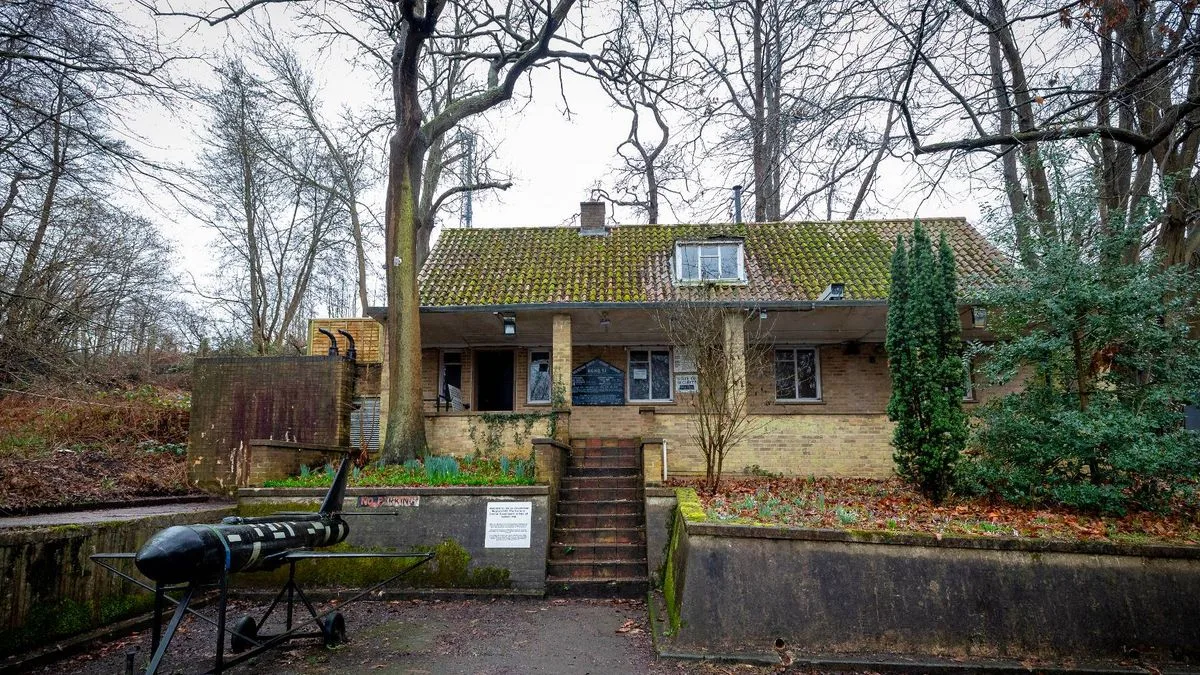
Access to the bunker is via a seemingly ordinary bungalow, leading to a 100-yard-long tunnel that descends 125 feet underground. The facility spans multiple levels, each with distinct functions:

  • First Floor: Located approximately 80 feet below ground, this level housed critical communication equipment, protected telecommunications systems, and military apparatus. The "plotting room" here was essential for tracking aircraft around the clock and analyzing potential explosions.
  • Second Level: Reserved for government operations, this area was initially connected to the plotting room via a large floor opening, enabling RAF controllers to monitor situations directly.
  • Top Level: Designed for daily living, this floor included a surgery, washrooms, dormitories, and a canteen—the latter still used by visitors today.

The bunker was engineered to sustain its occupants for up to three months, featuring air conditioning, heating, an independent water supply, and generators. Supplies were calculated to last this duration, after which limited excursions for replenishment would be necessary.

Decommissioning and Public Access

In 1992, with the Cold War's end, the bunker was decommissioned and sold back to the original landowners, the Parish family. They renovated the space into a museum, focusing on Cold War history and its implications. Reports suggest the bunker could accommodate up to 600 people at its peak, highlighting its scale and strategic importance.

Visitors can explore the site without pre-booking, simply arriving on the day. Admission prices are £15 for adults, £13 for children aged five to 16, and £38 for family tickets, with group discounts available. The museum is open from Thursdays to Sundays, including school holidays and half terms, with last entry typically one hour before closing—4 p.m. on weekdays and 5 p.m. on weekends, though times may vary.

This fascinating site not only reveals a hidden chapter of British history but also serves as a poignant reminder of the tensions that once gripped the world, now preserved for education and reflection.