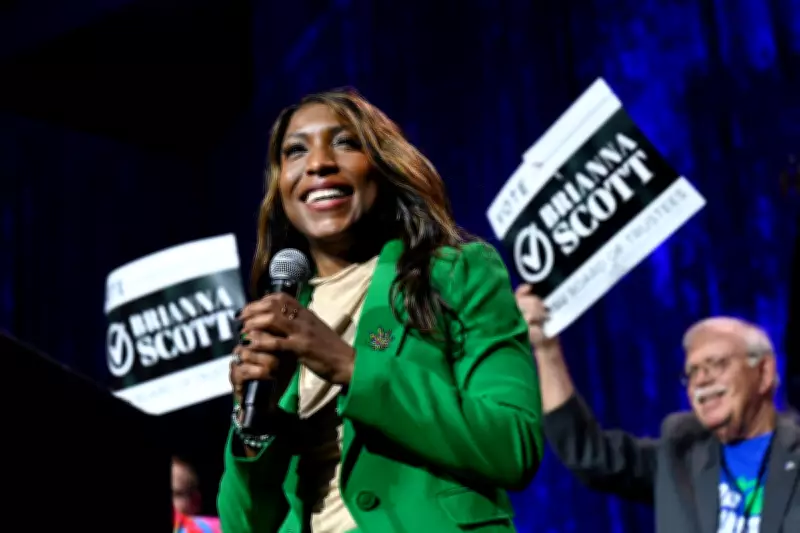
Michigan State University trustees have until this weekend to sign an updated board ethics policy that has sparked a fierce debate over free speech and governance. The policy, approved 5-3 during a special Sunday night board meeting, includes provisions requiring trustees to support majority decisions, uphold the university's reputation, avoid false information, and act consistently with fiduciary duties and loyalty. Violations could lead to public censure, removal from leadership positions, and referral to the governor for potential removal.
Divergent Views on the Policy
Trustee Mike Balow called the policy an "abomination" that could be "weaponized" against trustees who ask tough questions. He said it attempts to codify loyalty to the university when trustees' first loyalty should be to the electorate. "This document leaves it wide open to be used in a retaliatory measure against any trustee who says something unpopular," Balow said. He added that the policy did not go through proper channels and that he does not plan to sign it.
Board Chair Briana Scott defended the policy, noting it hadn't been updated since 2020 and that the additions reinforce existing responsibilities. She said the Association of Governing Boards recently gave the board a "failing grade" on governance. "For those asking why now during a special board meeting on a Sunday night, I say there is never the wrong time to do the right thing," Scott said. She acknowledged that some board members have undermined the president and administration, adding, "That has got to stop."

Concerns Over Silencing Dissent
State Sen. Jim Runestad, R-White Lake, criticized the policy on Facebook, calling it a "gag order" that bans trustees from speaking publicly about university decisions. "Taxpayer-funded bureaucrats trying to silence the very officials elected to oversee them," he wrote. Trustee Rema Vassar, who participated in the meeting from Egypt, said the policy demands outside review of its constitutionality and plans to ask Attorney General Dana Nessel to review it. She compared the culture it could create to the one that allowed Larry Nassar to sexually assault young women at MSU.
Trustee Rebecca Bahar-Cook argued the policy does not stifle discussion but emphasizes a "time and a place" for it in committee and board meetings. "Re-litigating an issue over and over after a vote doesn't help us move forward," she said.
Context and Comparisons
The policy changes come amid a long history of board infighting. Balow said the push began when Scott called an emergency meeting to discuss President Kevin Guskiewicz's potential departure, leading to a near doubling of his salary to $2 million. Scott denied that recent opinion pieces by Balow and Denno on Spartan Ventures influenced the policy. MSU spokesperson Amber McCann pointed to a similar policy at Wayne State University but was unsure about its repercussions.
The Association of Governing Boards noted that many universities have ethics policies addressing confidentiality and fiduciary duties, but approaches vary. "Effective governance generally depends on balancing open dialogue and transparency with the board's responsibility to deliberate constructively," a spokesperson said.