When FIFA announced that the United States would host the 2026 World Cup, the tournament was expected to become a money-drenched political spectacle. But the original 'United 2026 bid' from the US, Mexico, and Canada promised unity and human rights. Nine years later, Donald Trump has threatened co-hosts Canada and Mexico, while FIFA's avarice is on full display with exorbitant ticket and parking prices.
The 'United 2026 bid' document now feels like an archaeological relic, stating that the three countries would showcase 'the power of football to meaningfully impact the world through a shared commitment to human rights.' Back then, Trump was midway through his first term and not expected to be a factor by the tournament.
Today, a single ticket to the World Cup final can cost $10,990, up from $1,600 in Qatar 2022. The bid book listed the most expensive ticket at $1,550. After backlash, FIFA made available a smattering of $60 tickets, comprising just 1.6% of stadium capacity. FIFA has also instituted dynamic pricing to extract maximum revenue.

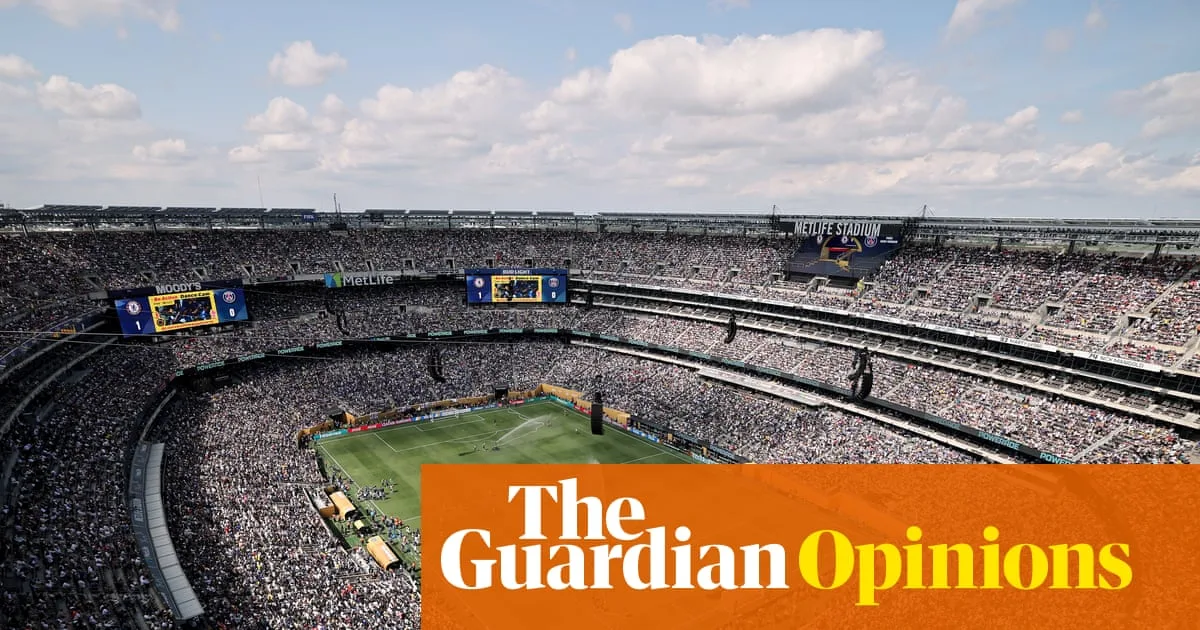
Parking prices are equally steep. The average cost for a World Cup parking spot at US stadiums was $175 in February, now reaching $300 in Los Angeles. At MetLife Stadium in New Jersey, parking at a nearby mall costs up to $225. Security perimeters limit tailgating, dampening festiveness.
Public transport is not free despite the bid's promise of complimentary travel. NJ Transit charges $150 for round-trip rail from New York to MetLife Stadium, a journey usually costing $12.90. The Massachusetts Bay Transportation Authority charges $80 for round-trip tickets from Boston to Gillette Stadium, compared to $20 for NFL games. In Qatar and Russia, mass transit was free with match tickets.
FIFA is also hoovering up personal data from stadium workers, stipulating extraordinary amounts of information for 'security reasons,' which could be shared with law enforcement and intelligence agencies.