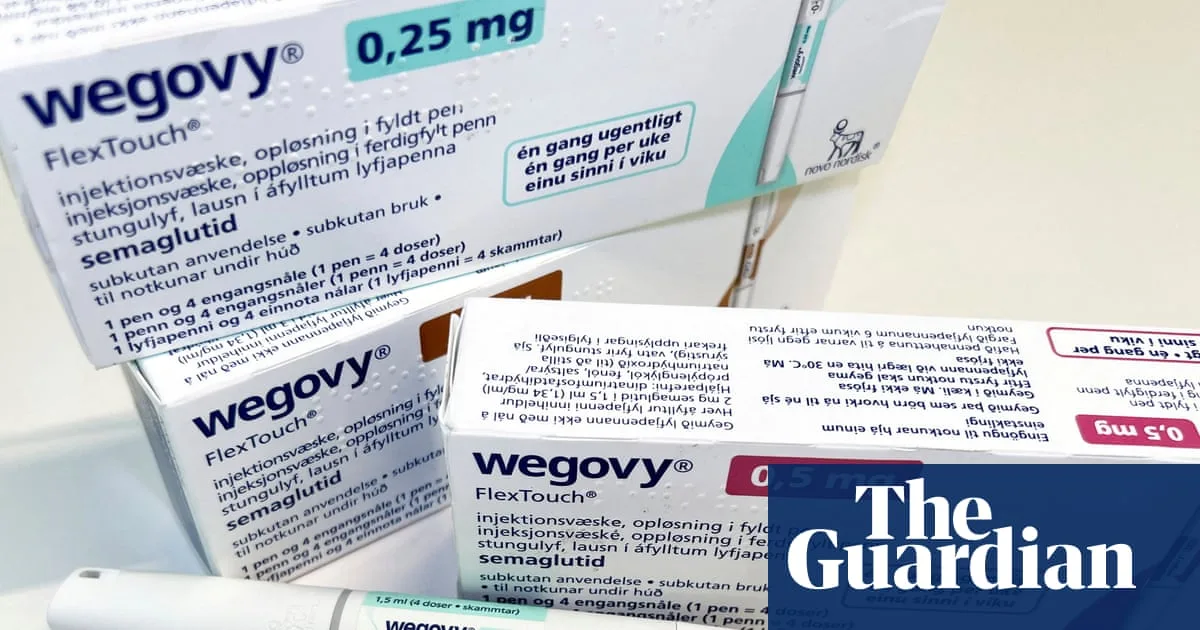
Chief medical adviser Professor Chris Whitty has criticised the use of weight-loss drugs on obese children, calling it 'morally unreasonable' and warning that such an approach would be a failure of public health. In a speech in London, he said relying on medications like Mounjaro and Wegovy, known as GLP-1 agonists, was not the answer to the UK's obesity crisis.
Whitty argued that instead of allowing obesity to rise due to aggressive marketing of unhealthy foods to children and then putting them on drugs at age 18, the government should take tougher action on junk food advertising and make food healthier. He described the idea of relying solely on drugs as 'shocking' and not socially or medically acceptable.
The professor highlighted that GLP-1 drugs are not benign, causing unpleasant side-effects such as gastrointestinal issues for many users. He also noted that weight regain is common after stopping the drugs, potentially leading to older age with less muscle mass and more fat. Other risks include severe acute pancreatitis, sudden sight loss, and unexpected pregnancy in women using contraception.

Whitty pointed to France as an example where obesity levels have remained stable since 1990, showing that the problem can be tackled without drugs. He called for reformulation of food products to reduce sugar and fat, and criticised industries that lobby against public health measures, often portrayed as 'nanny state' policies despite public support.
Health campaigners echoed Whitty's concerns. Sonia Pombo of Action on Salt and Sugar said weight-loss drugs must not be a substitute for effective food policy. Katharine Jenner of the Obesity Health Alliance added that it is not commonsense to let children grow up in unhealthy environments only to rely on medicines later, urging stronger preventive action.