Assisted dying could be resurrected after supporters of the controversial bill were handed a second opportunity to get it through Parliament. Two MPs who support assisted suicide have landed top slots in a random parliamentary ballot that allows politicians to put forward their own policies to become law.
Three of the top five MPs drawn in the Private Members' Bill ballot previously voted for the assisted dying bill, increasing the chances that one of them could opt to bring it back.
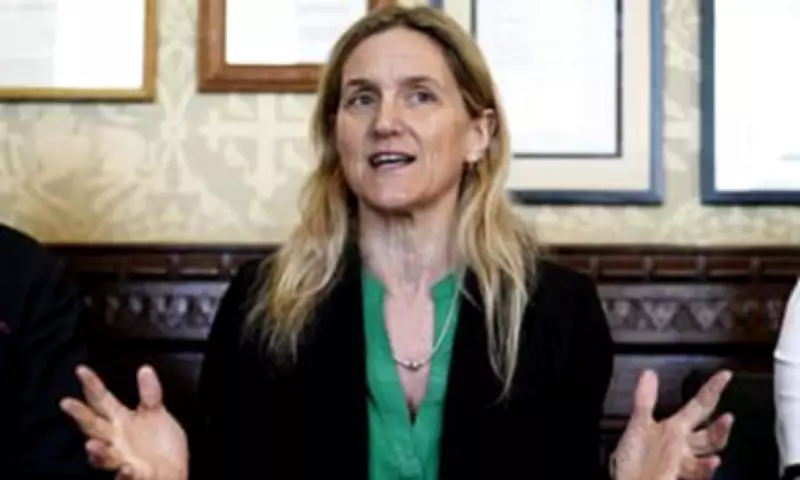
The Terminally Ill Adults (End of Life) Bill emerged through the last ballot in 2024 after Labour MP Kim Leadbeater secured the top spot and chose to push to legalise assisted dying. Supporters of assisted suicide are threatening to force it into law using a rare parliamentary procedure to bypass scrutiny in the House of Lords if it is selected again.

Ms Leadbeater's Bill became stuck in the Lords for months and the legislation fell after running out of time, as is standard with private member's bills that have not been brought by the Government.
However this time backers of assisted dying want to go for the 'nuclear option' and invoke the Parliament Act to bypass scrutiny in the Upper House and pass the Bill in its original form. The high-stakes move would be the first time the Act - which has only been used to pass seven Government bills since it was introduced in 1911 - has been used for a private member's bill.
Now assisted dying supporters could have a chance to use the Act to bypass the Lords if they can persuade another MP who secured a spot in the ballot to take it through the Commons again. Labour MP Lauren Edwards - who voted for the Bill - came second in the ballot and pro-assisted dying MPs are understood to be lobbying her to adopt it. Lib Dem MP Andrew George was drawn in fourth and he is considering reintroducing the Bill, but said he wanted to consult constituents before making a decision.
Supporters believe they need an MP drawn in the top three names to adopt the Bill if they are to have the best chance of legalising assisted dying. The higher an MP is drawn, the sooner their bill can be introduced to parliament, giving it more time to pass.
However, opponents of assisted dying are urging MPs not to bring the contentious issue back before parliament. 'The last thing our party should be focusing on right now is continuing to debate this deeply divisive, flawed and risky Bill rather than delivering on the priorities of voters,' Labour MP Jess Asato said.
Meanwhile, former minister Ashley Dalton, who has incurable breast cancer, warned colleagues against reviving it and said it would be 'really foolish' to bring it back. The former health minister, who had previously been unable to comment on the bill as she was serving in Government, told the Guardian: 'I think it'd be really foolish to be honest, to bring back something as a Private Member's Bill that has been so difficult, so divisive and so complicated.'
Under Ms Leadbeater's Bill, terminally ill adults in England and Wales with fewer than six months to live would have been eligible for an assisted death if approved by medical and legal professionals. If it is passed using the Parliament Act it would raise the prospect of Labour fighting the next General election with the first state-sanctioned deaths beginning to take place.