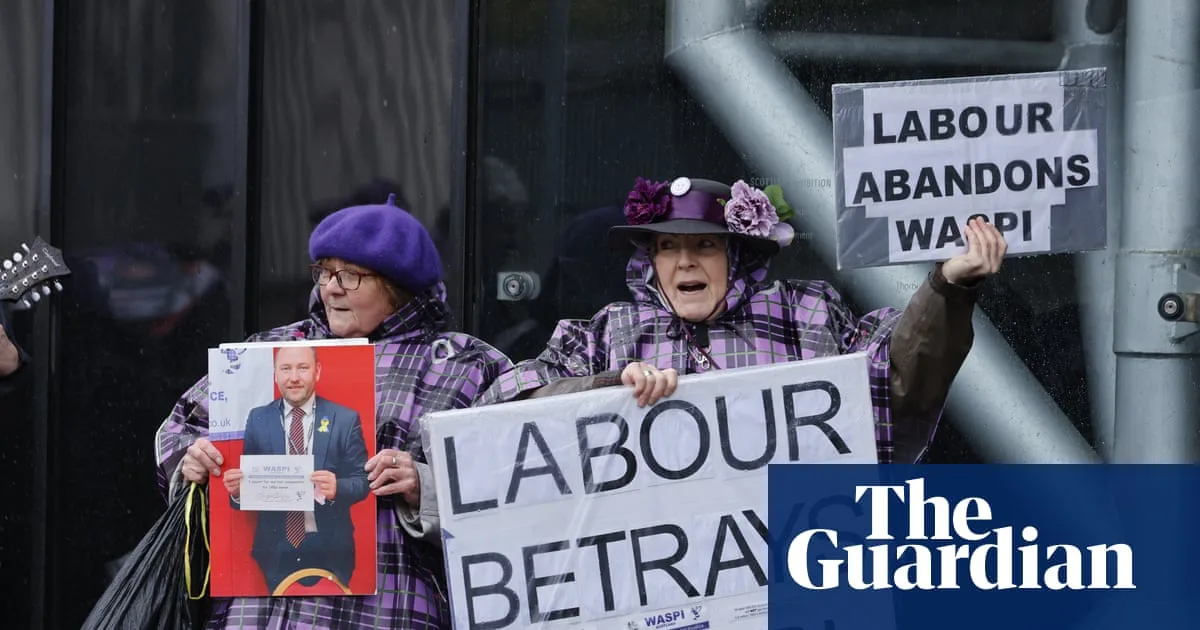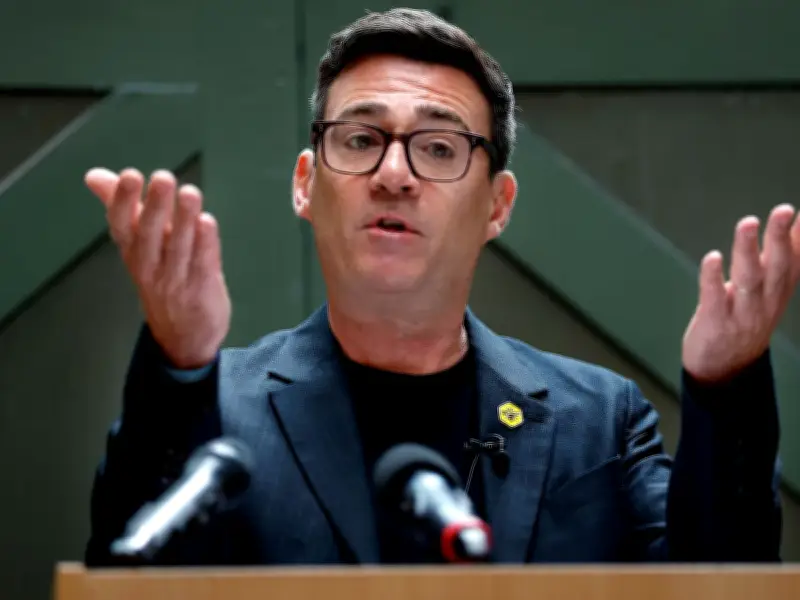
Andy Burnham, widely expected to become Labour leader and UK Prime Minister on July 17, has faced criticism after his team offered a templated opinion piece to multiple news organisations, including a Welsh version that confused devolved responsibilities. The piece, which made promises on housing, education, and transport—all devolved to Wales—led to accusations that Burnham's vision of devolution may prioritise England's regions over the devolved nations.
Template Piece Raises Concerns
Burnham's team offered versions of the same article to Wales, Scotland, London, and Birmingham, with only place names changed. The Welsh version stated: "All parts of the UK should be able to take greater public control of essential services such as water, housing, energy, and transport, learning from the model that has transformed our bus networks in Greater Manchester." However, Wales already holds such powers, and housing and business rates are devolved to the Welsh Government, not Westminster.
Ruth Mosalski, Political Editor at Wales Online, reported that the piece included pledges like "more 45-day work placements and apprenticeships for young people"—also devolved—and promised "the biggest council house building programme since the post-war era" using vacant public land, alongside reforming business rates to support pubs and high streets. These areas fall under Welsh Government control.

Scottish Version Similarly Criticised
The Scotsman ran the piece, which contained near-identical language, substituting Welsh towns with Scottish ones. For example, the Welsh version said: "In Wales, that feeling has its own shape. It is felt in Merthyr. It is felt in Rhyl. Port Talbot feels it." The Scottish version replaced these with Glasgow, Aberdeen, and Dundee. The SNP criticised the "tartanised cut and paste" job, arguing it showed a lack of understanding of devolution.
A charitable interpretation is that Burnham's hastily assembled team made errors. However, the incident may indicate a deeper issue: Burnham's devolution focus might be on shifting power within England, particularly to the North, rather than empowering Cardiff Bay or Edinburgh.
Backtracking on Funding Reform
This is not the first sign of indifference to Welsh priorities. Burnham recently backtracked on supporting reform of the Barnett formula, which determines funding for Wales, Scotland, and Northern Ireland. In a book co-authored two years ago, he backed reform, but now appears to have no intention of changing it.
"Andy has spent his whole political career fighting for the nations and regions of the United Kingdom – he will put Wales at the centre of any government he runs, radically pushing power down and out of Westminster and Whitehall," a spokesperson said. Critics remain sceptical, noting that early actions suggest Wales may not be a priority.
Burnham's Original Piece for Wales
The unreleased Welsh version of Burnham's article outlined plans for a "Number 10 North" as a nerve centre for a rewired Britain, focusing on essential utilities, reindustrialisation, and regeneration. It promised to back steel, ports, energy, and manufacturing in Wales, and to ensure young people in Newport, Swansea, Wrexham, Deeside, and the Valleys could find skilled work locally. However, the piece ignored that many of these areas are already under Welsh Government jurisdiction.
"Westminster hasn't been working for people and it hasn't been working for a very long time," Burnham declared in his first major speech. "It is time for Whitehall to accept that growth cannot be ordered from the top down." While such rhetoric resonates with devolution supporters, the template approach undermines his message.