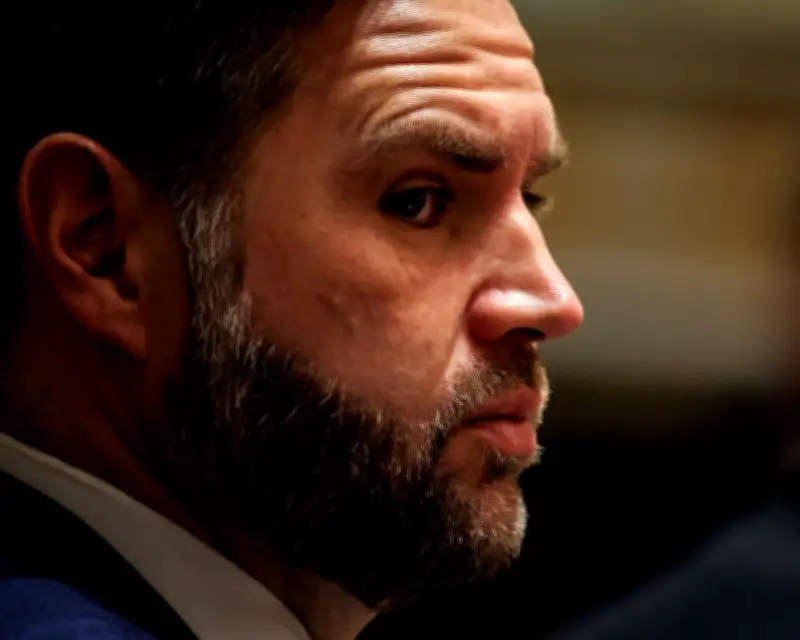
Across Europe, a palpable sense of unease is spreading. The continent is watching the rise of Donald Trump and J.D. Vance with growing alarm, seeing in their political ascent a direct threat to the liberal democratic order that has underpinned transatlantic relations for decades. This is not merely a matter of policy differences; it is a deep-seated fear that the very foundations of international cooperation are being eroded.
The Roots of European Anxiety
European leaders have long navigated the complexities of American politics, but the current trajectory under the influence of Trump and Vance represents a new and dangerous phase. The fear is multifaceted. First, there is the concern over NATO and collective security. Trump's previous comments questioning the alliance's value, and Vance's echoing of similar sentiments, suggest a potential withdrawal from commitments that have guaranteed peace in Europe since World War II.
Economic and Trade Fears
Beyond security, the economic implications are profound. The Trump administration's tariff policies and Vance's protectionist rhetoric threaten to ignite a trade war that would devastate European economies. The European Union, already grappling with internal challenges, faces the prospect of a hostile trade partner in the United States. This could lead to a fragmentation of global supply chains and a return to economic nationalism that history has shown to be disastrous.

A Crisis of Trust
At its core, the European worry is a crisis of trust. The US has been a beacon of democratic stability and a reliable partner. The rise of figures like Trump and Vance, who openly flout democratic norms and embrace authoritarian tactics, undermines this trust. European citizens and leaders alike question whether the US can still be counted on to defend shared values.
The Role of JD Vance
JD Vance, once a critic of Trump, has transformed into one of his most ardent supporters. His embrace of populist, anti-establishment rhetoric resonates with a segment of the American electorate but terrifies European observers. Vance's policies, which include a deep skepticism of international institutions and a focus on American isolationism, are seen as a blueprint for dismantling the post-war order.
What Europe Must Do
Faced with this threat, Europe must take proactive steps. It must strengthen its own defense capabilities, reduce reliance on the US for security, and forge stronger alliances with other like-minded democracies. The EU must also prepare for economic contingencies, diversifying trade partners and reinforcing its internal market. Diplomatically, European leaders should engage directly with American voters and politicians to articulate the stakes.
The warning from Europe is clear: the fear of Trump and Vance is not a partisan issue but a fundamental concern about the future of global stability. Ignoring it could have catastrophic consequences for both sides of the Atlantic.