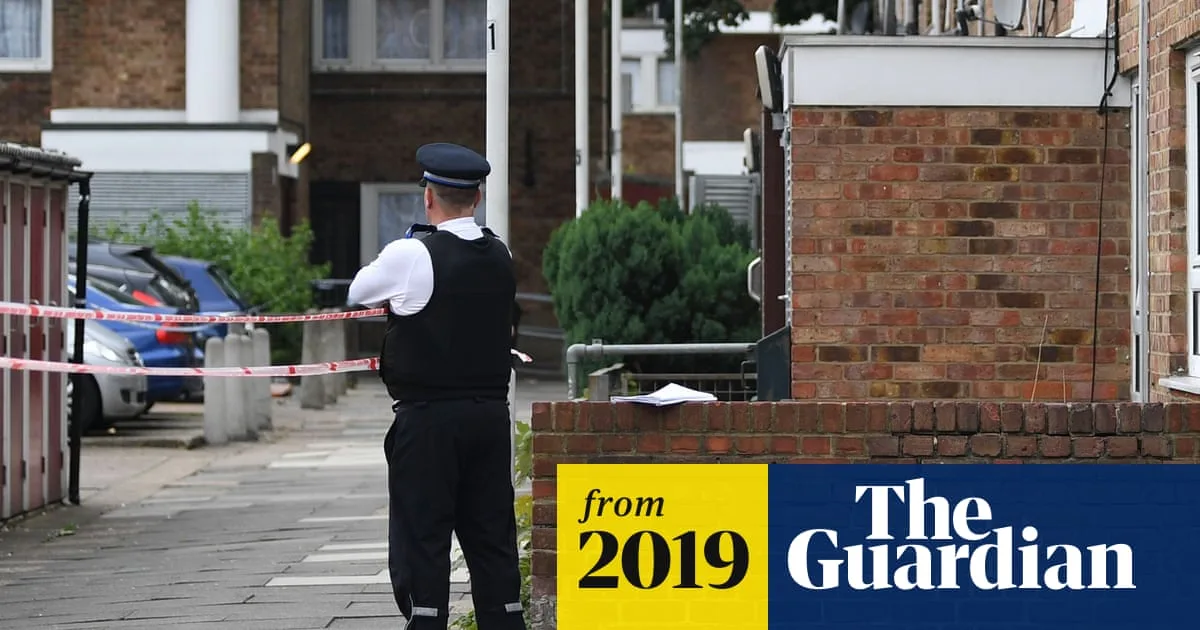
Five former Metropolitan Police commissioners have launched a blistering attack on the Conservative Party's record on crime, warning that police resources have been drained to 'dangerously low levels', contributing to a 'feeling of lawlessness' across Britain. In a letter published in The Times, the former commissioners—Lord Condon, Lord Stevens, Lord Blair, Sir Paul Stephenson, and Sir Bernard Hogan-Howe—called for an urgent restoration of public confidence in policing.
The letter states that the reduction of police and support staff by more than 30,000, the virtual destruction of neighbourhood policing, and the undermining of lawful police powers such as stop and search have taken their toll. 'Common sense suggests that these factors have contributed to the feeling of lawlessness generated by knife murders and county lines drugs,' the former chiefs wrote, warning of an 'emasculation of British policing' and calling for a royal commission.
The intervention came as the Chief Inspector of Constabulary, Sir Tom Winsor, issued his annual state of policing report, warning that policing is under huge strain and struggling to meet rising demand. Winsor said that after years of funding cuts resulting in 20,000 fewer officers, there are indications that some forces are straining under significant pressure as they try to meet growing, complex, and higher-risk demand with weakened resources. He noted that homicides are rising and the fall in crime has stalled, with the poorest areas suffering the worst cuts.

Winsor described the wider criminal justice system as 'malfunctioning', 'dysfunctional and defective', and said policing is under extra pressure to pick up services normally covered by other services that had been cut under austerity. He called for greater rehabilitation of prisoners, arguing that many jails 'were full of people who were ill rather than bad'.
Responding to Conservative leadership frontrunner Boris Johnson's pledge to recruit an additional 20,000 police officers at an estimated cost of £1.1bn a year, Winsor welcomed the commitment but suggested the cost would rise annually. He cautioned that not all the money should be spent on hiring people, stressing the need for investment in technology and innovation to make policing more efficient. 'It may not be the most efficient and effective way of spending £1.1bn every year,' Winsor said, adding that what the government and public want is the productivity of 20,000 officers of the past, not necessarily 20,000 people.