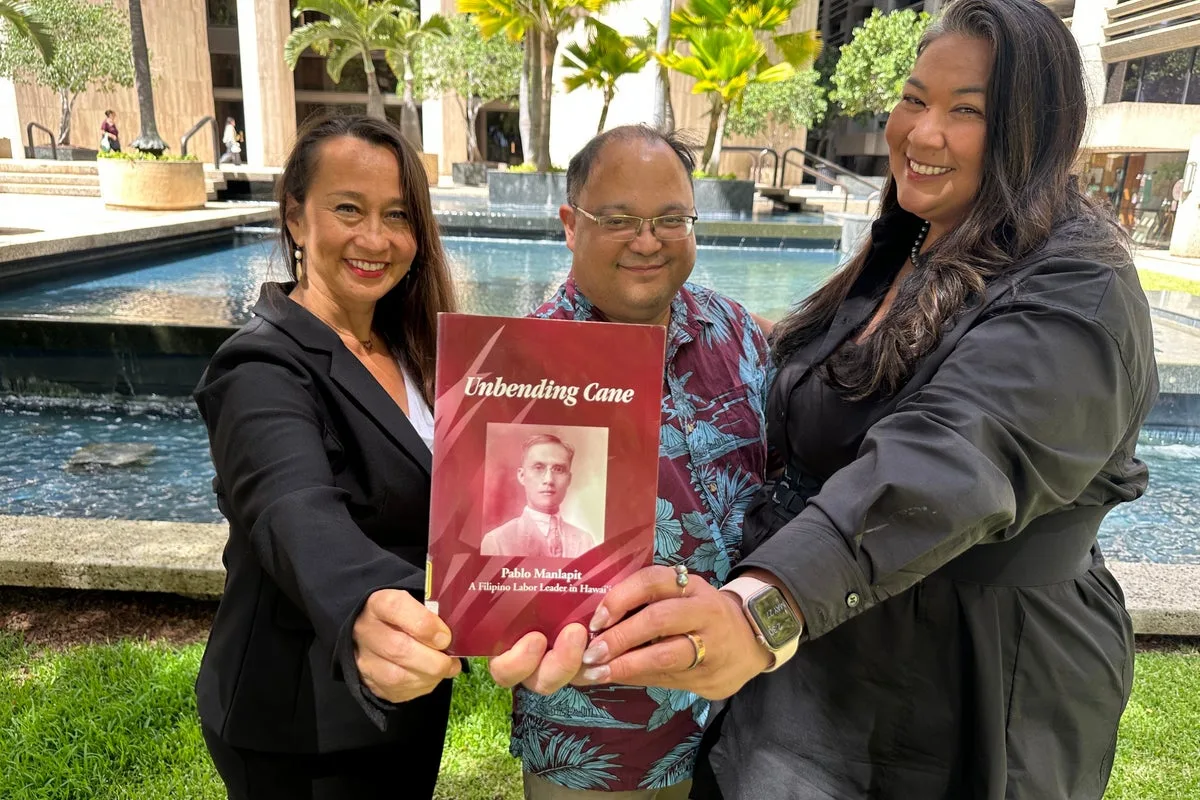
A group of Filipino lawyers in Hawaii is seeking to overturn the conspiracy conviction of Pablo Manlapit, a pioneering labour organiser who led Filipino workers in the early 20th century. Manlapit, who migrated to Honolulu in 1910 to work on sugar plantations, became Hawaii's first Filipino lawyer and founded a union demanding equal pay and an eight-hour workday.
His efforts led to the 1924 Hanapepe Massacre on Kauai, where 16 strikers and four police officers were killed. Manlapit was imprisoned, exiled to California and eventually deported. He died in 1969 in relative obscurity.
The Hawaii Filipino Lawyers Association now aims to overturn his conviction symbolically, hoping to elevate his place in history. “It’s a story that needs to be told,” said Daniel Padilla, the group’s president. “His story gets overshadowed in the broader labour movement in California.”

Recent revelations of sexual abuse allegations against César Chavez prompted reflection on Filipinos' role in the farmworker movement, inspiring the legal group to act. The quest is about “restoring what was taken from a movement that always belonged to many,” the association said.
Historians note that Filipino American contributions have often been overlooked. Kevin Nadal, president of the Filipino American National Historical Society, said Manlapit's movement was likely the first documented mobilisation of Filipino workers. “It started with Hawaii,” he said.
Efforts to honour Manlapit coincide with growing recognition of sakadas, the contract labourers from the Philippines. Earlier this year, the Smithsonian Asian Pacific American Center partnered with Senator Mazie Hirono on a poster exhibit highlighting their legacy.