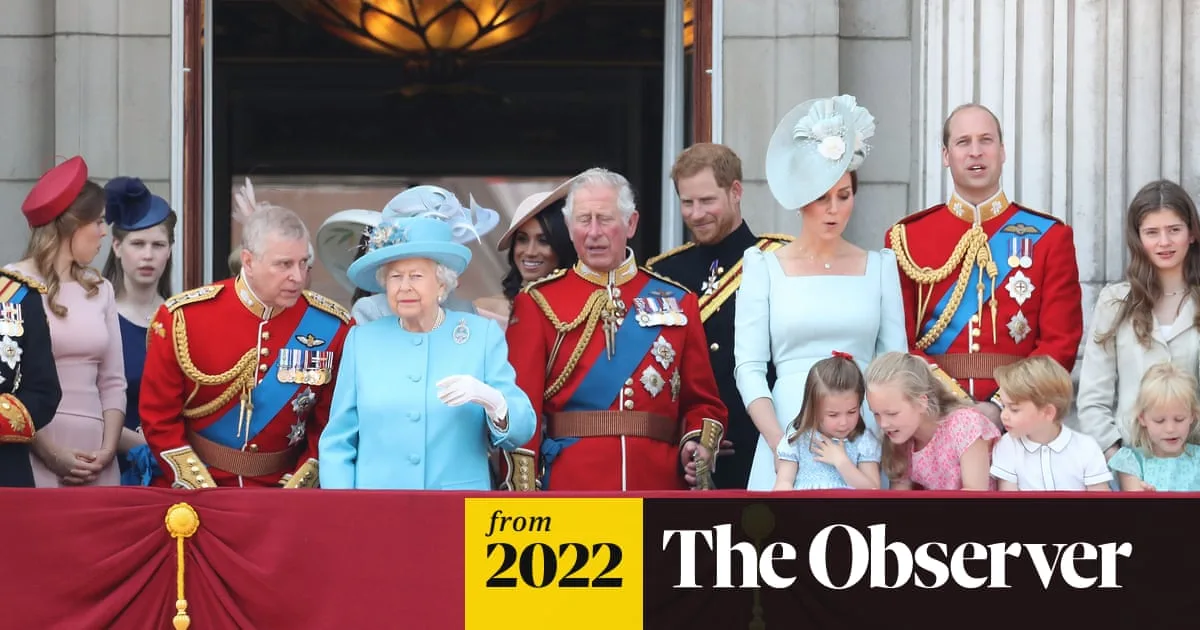
Prince Andrew, the Duke of York, turns 62 next month, but instead of enjoying a quiet retirement, he faces a sex assault lawsuit in New York that threatens to damage the royal family's reputation. Virginia Giuffre alleges that in 2001, when she was 17, she was trafficked by Jeffrey Epstein and Ghislaine Maxwell to have sex with the prince on three occasions. Andrew denies all allegations and says he has no recollection of meeting Giuffre.
The prince's legal team is relying on a 2009 settlement agreement between Giuffre and Epstein. The agreement released Epstein and any other potential defendants from liability. Andrew's lawyers argue that this covers their client, as he could have been named as a defendant. If a New York judge, Lewis Kaplan, accepts this argument, the case could be dismissed. However, legal experts say this would not clear Andrew's name, leaving a 'toxic question mark' over his reputation.
If the case proceeds, Andrew would have to give a deposition and appear in court, leading to intense media scrutiny. A loss could prevent him from travelling internationally due to fear of extradition. Royal expert Robert Lacey suggests an out-of-court settlement is likely, but this would raise questions about who pays. The Queen is thought to have funded Andrew's defence, and any settlement paid by her could fuel republican arguments about the monarchy's finances.

The scandal has exposed the royal family's vulnerability and the need for change. Andrew's friends insist his priority is clearing his name, but the legal strategy may only deepen the controversy. The outcome of the court ruling, expected in the coming weeks, will determine the next chapter for the prince and the monarchy.