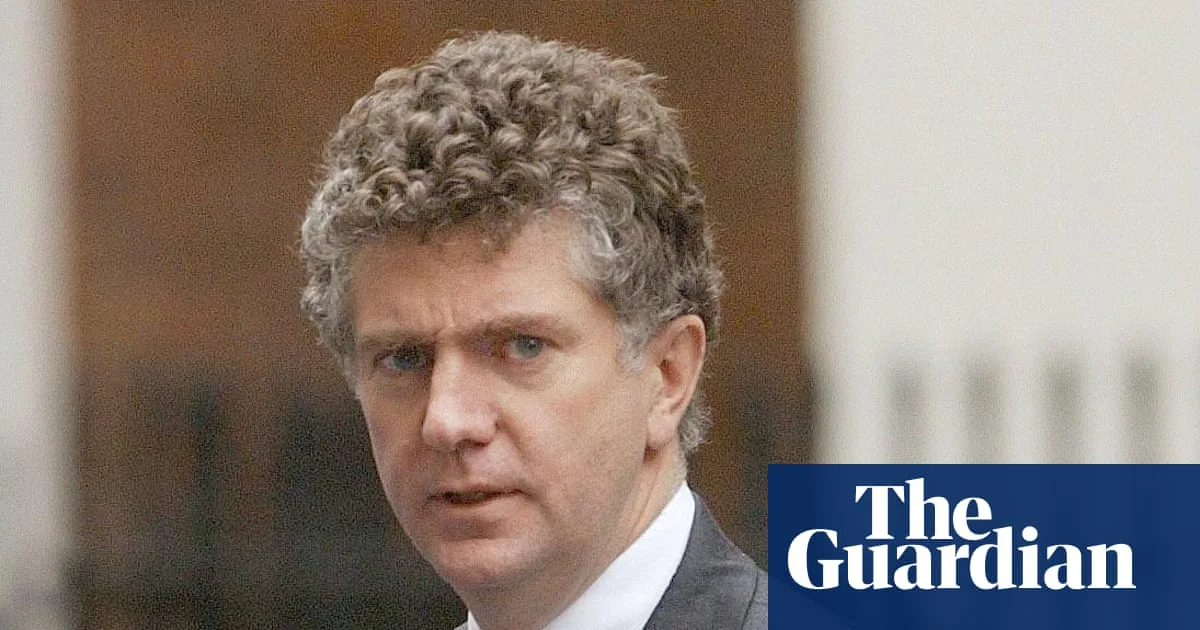
Jonathan Powell, the national security adviser to Prime Minister Keir Starmer, is set to appear before parliament for the first time amid questions about his role in the collapse of a major Chinese spying case against two Britons. Powell will be quizzed by senior parliamentarians at a private hearing of the joint committee on the national security strategy in the coming weeks, ending a year-long standoff between the committee and ministers who had refused to make him available for scrutiny.
The trial of Christopher Cash, a former parliamentary aide, and Christopher Berry was due to begin this month but was suddenly dropped by the Crown Prosecution Service (CPS) on 15 September. Both men denied charges of spying for China. Prosecutors said they could not proceed because the evidential standard was 'no longer met'. Downing Street strongly denied suggestions of government interference, stating that claims the government withheld evidence or withdrew witnesses were 'untrue'.
Powell faces questions after the Sunday Times reported that the CPS withdrew charges days after senior Whitehall officials, including Powell and Foreign Office top civil servant Oliver Robbins, met to discuss the trial. To prove the case under the Official Secrets Act, prosecutors would have had to show the defendants were acting for an 'enemy'. Powell reportedly told the meeting that the government's evidence would be based on this year's national security strategy, which does not use that term to describe China but instead calls it a 'geo-strategic challenge', making it unusable in court. Government sources noted that the Conservatives also did not describe China as a threat in their strategy.

Ministers including Home Secretary Shabana Mahmood have expressed disappointment at the collapse of the case. Commons Speaker Lindsay Hoyle said the development leaves MPs vulnerable to espionage and is considering bringing a private prosecution. The government had resisted requests for Powell to appear before parliament, arguing it would not be appropriate as he is a special adviser rather than a civil servant. Committee chair Matt Western accused ministers of 'using a quirk of his appointment as a special adviser' to 'erode democratic norms', noting Powell is the first national security adviser not to appear before the committee since the role was created in 2010.
Powell has emerged as a key figure shaping foreign policy under Starmer, referred to by some in Whitehall as the de facto foreign secretary. He is heavily involved in managing UK-US relations and previously negotiated the Chagos Islands sovereignty dispute. A veteran of the New Labour years, he served as chief of staff for Tony Blair's entire premiership and helped negotiate the Good Friday Agreement.