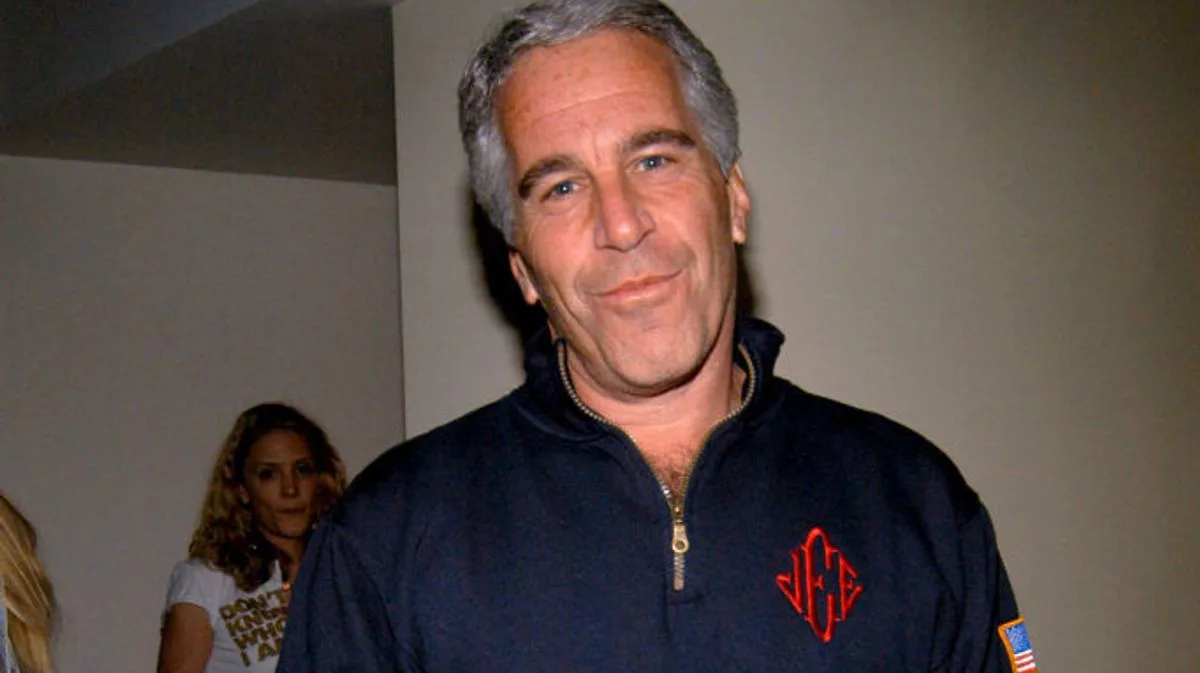
The Epstein Files, long shrouded in secrecy, could soon be released after the US Congress overwhelmingly passed bills to force the Justice Department to disclose all documents. The House of Representatives voted 427-1, and the Senate unanimously agreed, sending the legislation to President Donald Trump for signature. Trump, who previously called the files a 'Democrat hoax' and worked against their release, made an embarrassing U-turn and urged Congress to pass the bill.
Among the revelations hoped for are further details about Prince Andrew's friendship with Epstein. Andrew has consistently denied wrongdoing, but files released last week showed Epstein was advised to stay away from the prince and Sarah Ferguson. Documents also revealed Andrew told Epstein and Ghislaine Maxwell, 'I can't take any more of this' regarding allegations from victim Virginia Giuffre.
Trump's handling of the files has raised questions. He campaigned on releasing them but then appeared to challenge Republicans pushing for a vote. His approval ratings have fallen, partly over this issue. Observers wonder why he took such a confrontational approach and what might be in the files that caused his initial resistance.

Another key question is whether Epstein acted alone. He worked with Maxwell, who was sentenced to 20 years for trafficking underage girls. Speculation persists about a possible client list or blackmail materials, but none have emerged in released documents. The unreleased files may finally provide answers.
Victims, including the late Virginia Giuffre, have long campaigned for justice. The release of the Epstein Files could shed light on the full extent of Epstein's network and the involvement of powerful figures, potentially exposing further crimes and complicity.