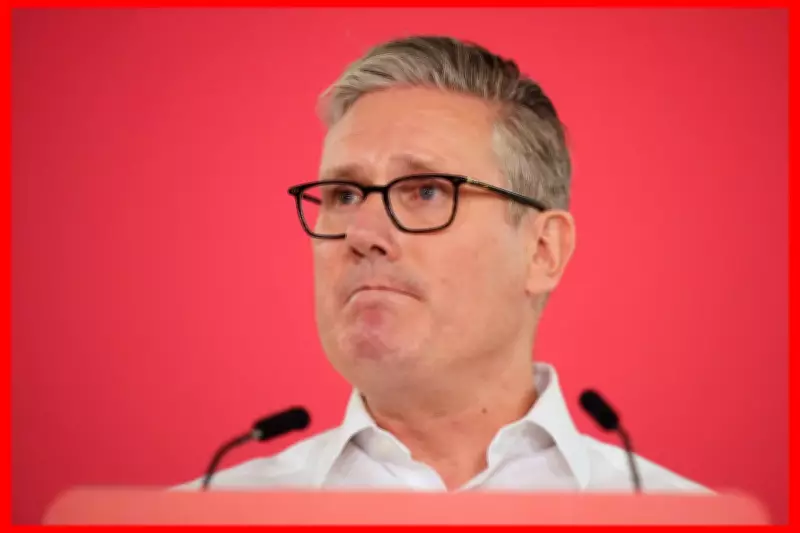
Sir Keir Starmer has insisted that he is not going anywhere and will fight any attempts by his own party to oust him from No 10 after more than 80 Labour MPs called for him to stand down. However, history is filled with prime ministers who could not choose the timing of their departure—from Margaret Thatcher to, more recently, Liz Truss. Here we explore how the Labour leader could be forced out of Downing Street, potentially leaving the UK with its seventh prime minister in a decade.
Senior ministers start to resign
So far, resignations have come from ministerial bag carriers and one junior minister, but the Prime Minister will struggle to remain steadfast in the face of a challenge from one of the prominent figures tipped to replace him. This could include Health Secretary Wes Streeting, who has been reluctant to make the first move, aware that he would have to resign from the cabinet to do so. That was what Rishi Sunak did, hastening the end of Boris Johnson's premiership—but allies of Mr Johnson never forgave Mr Sunak, and he faced accusations of betrayal from Tory voters on the doorstep. Home Secretary Shabana Mahmood is understood to have told the PM he needs to consider announcing a timetable for his departure, as has Energy Secretary Ed Miliband, although neither has resigned from the cabinet to force the issue.
Other ‘big beasts’ not in the cabinet
Other potential leadership contenders not in the cabinet include Angela Rayner, although she is thought to still need more time to sort out her tax affairs. Andy Burnham cannot throw his hat in the ring yet, as he is not an MP, which is why his supporters want a gradual timetable for the PM to go.

Challenger stands – and gets the numbers to force a contest
The bar to trigger a leadership contest within the Labour Party is actually quite low, though the stakes are high. All that is needed is an MP to secure the support of 20 per cent of the Parliamentary Party—81 MPs—to trigger a contest. Already around that number have gone public with their call for Sir Keir to go. The Prime Minister automatically gets the right to fight the contest, and his allies have made clear that he will.
Will there be a general election?
In a word—no. The party of government gets to decide who their leader is, and that person becomes the next prime minister. There does not have to be a general election just because there is a new leader. The demand for Sir Keir to go comes after disastrous election results across England, Scotland, and Wales last week, which saw both Reform and the Greens take millions of votes from Labour. The party is in no mood to go to the polls again anytime soon.