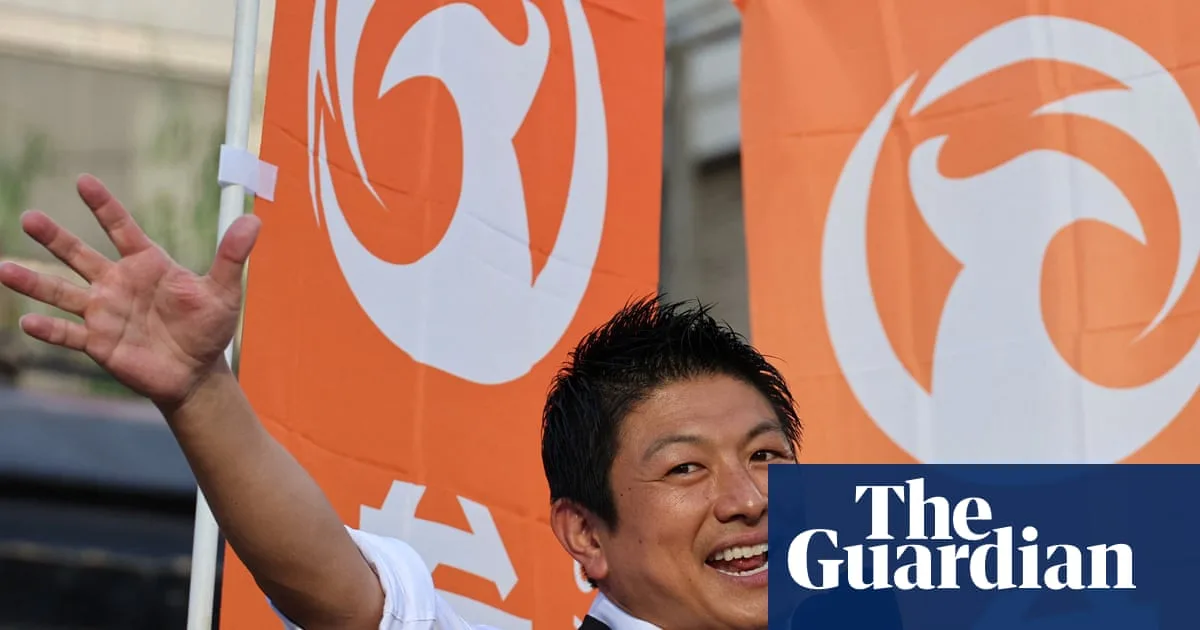
Sohei Kamiya, leader of the nationalist Sanseito party, has seen his political fortunes rise sharply after the July upper house elections, where his party secured 15 seats, up from just one. Kamiya, who draws inspiration from Donald Trump, campaigns on a 'Japanese first' platform that calls for stricter immigration controls and prioritising Japanese citizens over foreign workers.
Sanseito, whose name means 'political participation party', has been labelled far-right and ultraconservative, but Kamiya dismisses these as smears. He argues that his policies aim to create a country 'not dependent on immigrants and foreigners'. The party has attracted a mix of disaffected conservatives, conspiracy theorists, and young voters through its YouTube channel, which has over half a million subscribers.
Kamiya's rhetoric has drawn criticism. He has used a racist epithet against ethnic Koreans, for which he later apologised, and suggested that younger women should focus on having children rather than working. Human rights groups and gender equality campaigners have condemned these statements.

The party's rise contrasts with the decline of the ruling Liberal Democratic Party (LDP), whose leader Shigeru Ishiba resigned as prime minister after the elections. Kamiya, a former supermarket manager and teacher, first entered politics as a city assembly member in Suita, Osaka. He ran unsuccessfully for the LDP in 2012 before founding Sanseito.
Kamiya frequently references the 'deep state' conspiracy theory and has compared his movement to Reform UK and Germany's AfD. His anti-immigration stance resonates with voters concerned about rising tourism and foreign worker numbers, which have increased as Japan addresses labour shortages. However, many find his worldview deeply problematic, with teachers alarmed by his calls for school pupils to respect traditional values.