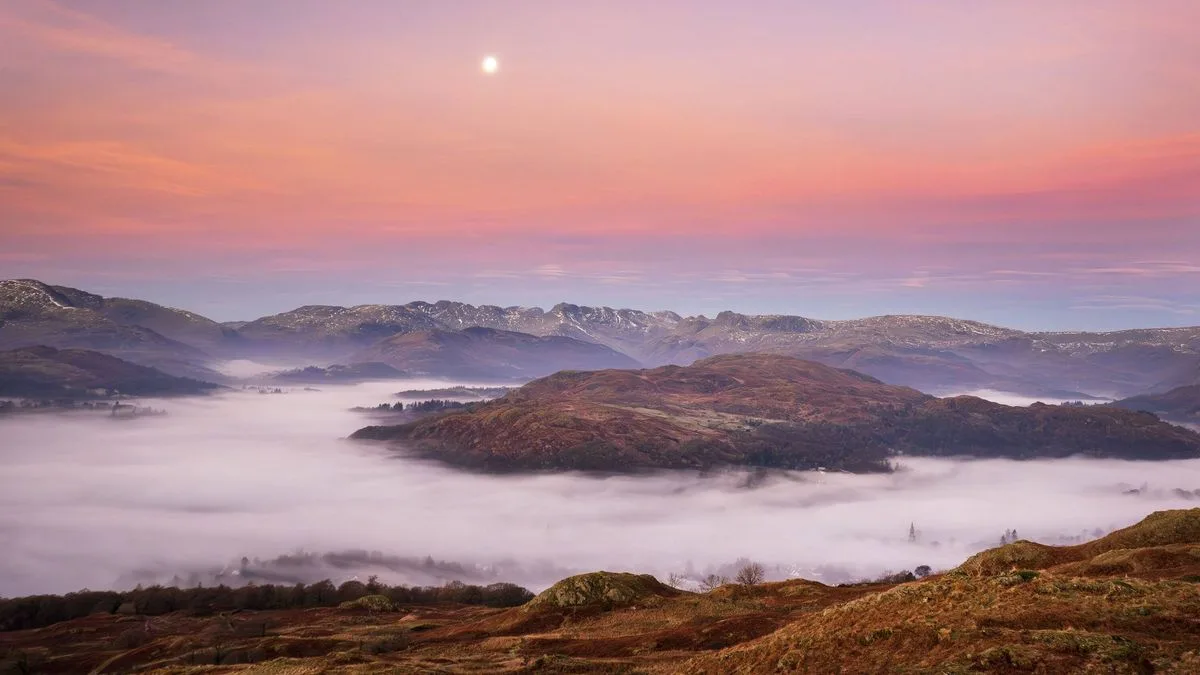
A rare blue micro moon will grace UK skies on Sunday 31 May, offering a unique opportunity for moon gazers and photographers. This event combines a blue moon—the second full moon in a calendar month, which occurs roughly every two and a half years—with a micro moon, when the moon is at its farthest point from Earth, appearing 14% smaller and 30% dimmer than usual.
Experts at Psychic World have compiled a list of top UK locations for witnessing the phenomenon. Stonehenge in Wiltshire offers dark, unobscured skies with minimal light pollution, making it ideal for observing the delicate micro moon. The ancient monument provides a historic lunar observation point, with moonlight highlighting the structure in a quieter setting than the summer solstice.
The Lake District is another prime spot, thanks to its low light pollution and high peaks offering uninterrupted horizon views. Snowdonia National Park's Yr Wyddfa (Snowdon), standing at 1,085 metres, delivers exceptional views as part of an International Dark Sky Reserve. Northumberland, Europe's largest protected Dark Sky Park, provides the darkness needed to appreciate the moon's intricate details.

The Isle of Skye boasts some of the UK's darkest skies, with dramatic geology like Kilt Rock and the Quiraing offering spectacular photography backdrops. Dartmoor National Park, with its Dark Sky status and open moorland, ensures clear views away from city lights, with elevated spots like Cosdon Beacon or Great Mis Tor recommended.
For those unable to travel, the moon may be visible from back gardens with clear skies and an open aspect. The best viewing time is around moonrise, shortly after sunset, when the moon appears most brilliant near the horizon. Clear weather is essential, as cloud cover can obscure the fainter micro moon. Check forecasts and aim for locations with low haze or humidity.