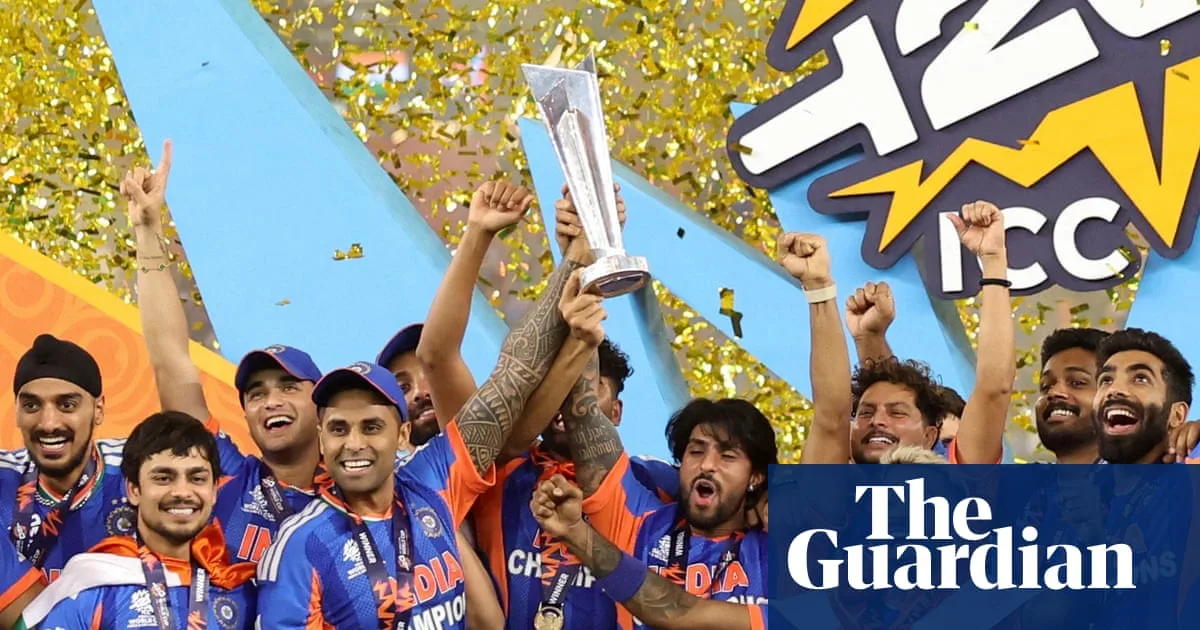
India Achieves Historic T20 World Cup Triumph in Ahmedabad
Three years after suffering a devastating ODI World Cup final defeat to Australia in front of 92,000 stunned supporters at the Narendra Modi Stadium, India returned to Ahmedabad to correct one of the most significant setbacks in their cricketing history. They accomplished this mission with absolute authority, posting a formidable 255 runs before dismissing New Zealand for a mere 159 to secure a commanding 96-run victory in the T20 World Cup final.
Unprecedented Records and White-Ball Dominance
This triumph established multiple historic milestones for Indian cricket. The team became the first men's side to successfully defend the T20 World Cup trophy, the first nation to claim the championship three times, and the inaugural winner to achieve this feat on home territory. Since that painful loss to Australia, India has lost only one white-ball match—a group stage defeat to South Africa earlier in this tournament.
India's white-ball supremacy now appears nearly complete. They can add this T20 crown to last year's ICC Champions Trophy victory, while the women's team secured the ODI World Cup in October. This comprehensive dominance across formats represents a remarkable period for Indian cricket.
Sanju Samson's Tournament-Defining Performance
The tournament's standout individual story belonged to opening batter Sanju Samson, who delivered consistently exceptional performances when they mattered most. After scoring 97 not out from 50 balls against the West Indies and 89 from 42 against England in the semi-final, Samson maintained his brilliant form with another 89 from 46 deliveries in the championship match.
The 31-year-old finished the tournament with 321 total runs at an average exceeding 80, earning him the well-deserved player of the tournament award. His remarkable ascent from relative obscurity to the pinnacle of world cricket has captivated fans globally.
"I think this started two years ago," Samson reflected. "In 2024 I couldn't get a game. I started working, and this is exactly what I wanted to achieve."
Devastating Powerplay and Bowling Excellence
Samson's opening partnership with Abhishek Sharma proved devastating during the powerplay overs, as they accumulated 92 runs together—the highest tally of the entire tournament. This explosive start essentially decided the match within the first six overs, with Ishan Kishan contributing a rapid 50 to maintain the relentless pressure on New Zealand's bowlers.
Jasprit Bumrah delivered a masterclass in bowling adaptation, finishing with remarkable figures of 4-15 from his four overs to earn player of the match honors. The pace bowler expertly adjusted to the conditions, deploying slower balls for approximately 85 percent of his deliveries. His final three wickets came from wickedly deceptive yorkers that drifted through the air before crashing into the stumps.
"I was really clear, I knew what I wanted to do," Bumrah explained. "The wicket was a flat one, so I used all my experience of playing here. Man of the match in a World Cup final at a ground where I started my cricket—it couldn't be more special than this."
Comprehensive Team Performance and New Zealand's Struggles
This victory represented a complete team effort, with nearly every Indian player making significant contributions. Axar Patel claimed three crucial wickets, while Kishan took three spectacular catches in the field. Captain Suryakumar Yadav's most important contribution came when he lifted the trophy as ticker tape descended upon the celebrating team.
New Zealand's tactical decisions faced scrutiny following the match. The selection of seamer Jacob Duffy over off-spinner Cole McConchie failed to produce the desired effect, while their reliance on slower deliveries proved ineffective compared to Bumrah's masterful execution. The Kiwi bowlers struggled with accuracy, delivering too many wides and wayward balls that India punished ruthlessly.
New Zealand has now lost all four major men's finals they have contested, though this defeat may sting slightly less given India's overwhelming superiority. Whatever strategies captain Mitchell Santner implemented, India would likely have proven too formidable on this occasion.
Looking Ahead to Future Challenges
India can now approach next year's ODI World Cup in South Africa, Zimbabwe, and Namibia with ambitions of completing a historic set of three men's white-ball trophies. While the pain of their previous defeat to Australia will not be fully alleviated until they secure the 50-over championship, that pursuit can temporarily wait.
For now, India celebrates being T20 world champions once again. Three years after experiencing agony in Ahmedabad, they have finally claimed their moment of ecstasy, creating cricketing history in the process and establishing themselves as the dominant force in white-ball cricket.