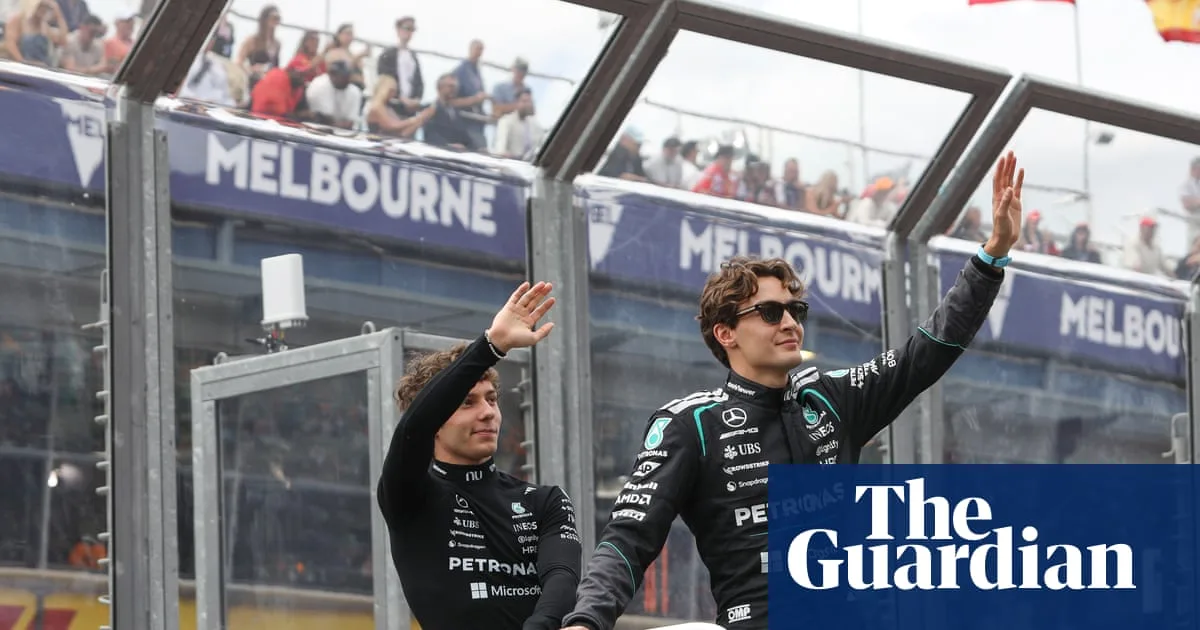
Mercedes delivered a dominant performance at the Australian Grand Prix, securing a one-two finish with George Russell and Kimi Antonelli. The team led by nearly a second in qualifying and maintained a comfortable 15-second gap over third-placed Charles Leclerc in the race. Russell had to fend off Leclerc early on but once in clean air, the Mercedes showed a clear pace advantage of up to 0.4 seconds per lap.
Ferrari's Lewis Hamilton and Leclerc made strong starts but were hampered by a slow reaction to a virtual safety car. Nonetheless, the Scuderia emerged as the second-fastest team, giving them hope of closing the gap to Mercedes as the development race intensifies. Leclerc and Hamilton finished third and fourth respectively.
The new regulations, particularly energy management, drew sharp criticism from drivers. Lando Norris called the cars the worst he had driven and warned of a potential major accident. Max Verstappen was scathing about lift-and-coast procedures, while Charles Leclerc likened the overtaking boost to a 'Mario Kart mushroom'. F1 reported 120 overtakes, up from 45 last year, but many drivers dismissed them as artificial and meaningless due to energy depletion.

Rookie Arvid Lindblad impressed on his debut, qualifying ninth for Racing Bulls and finishing eighth after a spirited battle with Verstappen. Haas's Oliver Bearman also performed well, finishing seventh and confirming the team's midfield potential. Aston Martin endured a difficult start, with their struggles evident from pre-season testing.