Olympic Pin Celebrates Legacy of Halfpipe Pioneer Sarah Burke
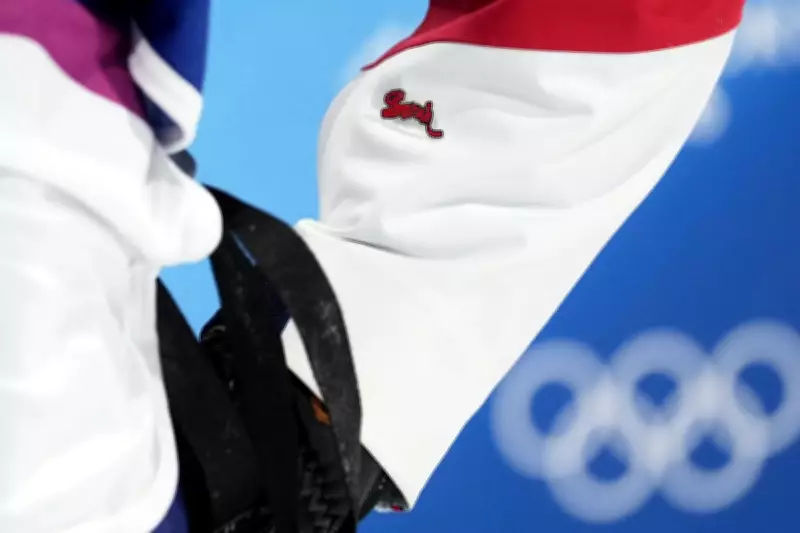
At the Milan Cortina Winter Olympics, a unique and poignant tribute has emerged, honouring an athlete whose influence shaped an entire sport yet who never had the chance to compete on the Olympic stage herself. The story centres on a commemorative pin that spells out "Sarah" in red script, created to celebrate the late Canadian freeskier Sarah Burke, a true pioneer in women's halfpipe skiing.
The Unfulfilled Olympic Dream
Sarah Burke was instrumental in advancing women's halfpipe skiing, encouraging girls and young women to participate in what was, decades ago, predominantly a male-dominated discipline. Her advocacy and lobbying efforts were crucial in securing the event's inclusion in the Olympic programme. Tragically, Burke died at the age of 29 in a training accident in 2012, two years before skiers made their halfpipe debut at the Sochi Olympics in 2014.
A Coach's Tribute
Canada's coach, Trennon Paynter, took it upon himself to ensure Burke's memory lives on. He had 200 pins made, designed to mimic the "Sarah" stickers that skiers placed on their helmets during the Sochi Games. "She got women into the sport, period," Paynter stated emphatically. "And then she was a huge driver of getting the sport into the Games by actively attending International Ski Federation events when a lot of people didn’t know that was the pathway into the Olympics."

Due to strict Olympic regulations that prohibit such displays on equipment, Paynter found an alternative way to spread the message. He addressed athletes before the first halfpipe practice this week, speaking about Burke's profound impact and distributing the pins. The response was immediate and overwhelming, with the entire batch being claimed within hours.
Enduring Legacy and Personal Connections
Paynter plans to produce a new batch of pins and sell them to benefit Burke's charitable foundation, ensuring her legacy continues to support the sport she loved. The connections to Burke run deep within the skiing community. Notably, Eileen Gu, who was scheduled to compete in the halfpipe event, shares the same birthday as Burke: September 3rd.
The most memorable night in the sport's Olympic history remains its inaugural competition in Sochi, where Burke's parents and husband watched as the slip crew formed a heart shape on the halfpipe. Paynter himself spread some of Burke's ashes above the halfpipe at the Rosa Khutor extreme park, a personal gesture of remembrance.
Inspiring a Generation
French skier Marie Martinod, who won silver that night, was persuaded by Burke to come out of retirement to compete in the Olympic debut. Martinod painted snowflakes on her fingernails to match Burke's tattoo, symbolising their bond. "I think I didn’t say goodbye to Sarah yet and I still have to do it, and now I feel I’m able to do it because I did what she asked me to do," Martinod reflected emotionally.
Twelve years on, while few current skiers personally knew Burke, her legacy is universally recognised. American skier Nick Goepper proudly wore the pin during qualifying rounds, even pointing to it while awaiting his scores. "She was a commanding personality and force to legitimize halfpipe skiing for both men and women," Goepper remarked. "She gave a lot of inspiration for a lot of young girls."
This Olympic pin, more than just a piece of memorabilia, serves as a powerful symbol of Sarah Burke's enduring spirit and the indelible mark she left on the world of freeskiing.