FAA Approves Anti-Drone Lasers for Border Use After Safety Review
The Federal Aviation Administration has announced that anti-drone lasers deployed along the southern border by U.S. military and Homeland Security agencies are safe for aviation and should not require airport closures. This decision follows a comprehensive review prompted by airspace disruptions in Texas earlier this year, which left travelers stranded and raised concerns about coordination between agencies.
New Safety Agreement and Past Incidents
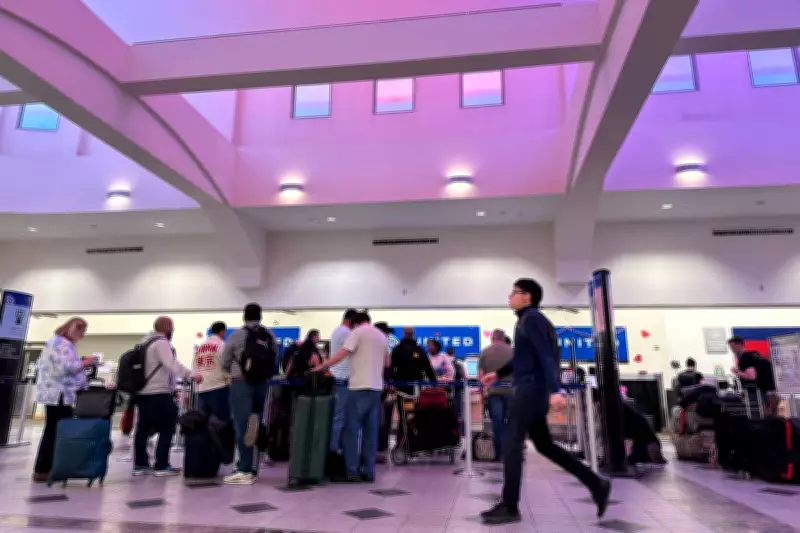
The FAA and the Department of Defense have formalised a new agreement outlining strict safety precautions for the use of these counter-drone lasers to protect air travellers. In early February, the FAA was forced to close airspace around El Paso airport for several hours after another agency used a laser without prior notification. This incident caused significant travel chaos, with many passengers scrambling to find alternative flights. A second, more limited closure occurred when the military mistakenly shot down a drone owned by U.S. Customs and Border Protection, highlighting the need for better communication.
Demonstration and Official Statements
A recent demonstration at the White Sands Missile Range in New Mexico convinced FAA officials that these lasers can be operated safely within the national airspace system. FAA Administrator Bryan Bedford emphasised the agency's commitment to collaboration, stating, "We will continue working with our interagency partners to ensure the National Airspace System remains safe while addressing emerging drone threats." U.S. Army Brigadier General Matt Ross added that the agreement enables the use of advanced tools to defend the homeland, proving these capabilities are both effective and secure for all air travellers.

Growing Drone Threats and Legislative Concerns
Drones are increasingly used by Mexican cartels for drug deliveries and surveillance along the border, with officials reporting over 27,000 drones detected near the southern border in the last six months of 2024 alone. The devastating use of armed drones in conflicts like Ukraine and Iran underscores the urgency of this threat. Lawmakers expressed alarm after the Pentagon allowed Customs and Border Protection to use an anti-drone laser in February without notifying the FAA, leading to the Fort Hancock airspace closure about 50 miles southeast of El Paso.
Funding and Future Preparedness
The U.S. government has allocated more than $250 million to help states prepare for drone responses ahead of major events, including World Cup matches and the country's 250th birthday celebrations this summer. An additional $250 million in grants will be awarded later this year to further strengthen national drone defences. The Trump administration has reiterated its focus on halting cartel drone incursions, with this new FAA approval marking a critical step in balancing security needs with aviation safety.