Father and Son Incinerated After 'Self-Driving' Tesla Slams Into Tree, Lawsuit Alleges
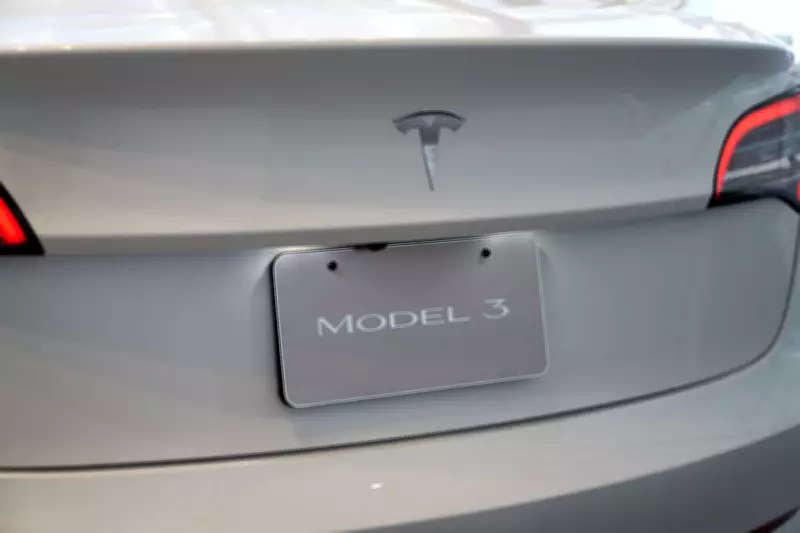
A tragic incident has led to a wrongful death lawsuit against Tesla, following a horrific crash that claimed the lives of a father and his teenage son. The lawsuit, filed by the boy's mother, Shantorria Herring, alleges that a Tesla Model 3, operating in self-driving mode, suddenly veered off the road without warning, struck a tree, and burst into flames, trapping both occupants inside.
Details of the Fatal Crash
The crash occurred on December 23, 2024, in Thomas County, Florida. According to court documents, Margarret Smith was driving his 14-year-old son, Karter Breon Smith, north on Highway 35 when the vehicle abruptly departed the road. Data from the Tesla's Event Data Recorder (EDR) indicated that the accelerator pedal went from 0% to 100% while the speed remained at 63 mph, with no recorded brake application.
The aftermath was devastating. The impact triggered a "thermal runaway" in the battery pack—a chain reaction of short-circuits leading to uncontrollable combustion. Battery fires burn far more intensely than gasoline fires, generating extreme heat that can pulverize bones and make firefighting efforts exceedingly difficult.

Trapped by Inoperable Door Handles
A critical factor in the tragedy was the failure of the vehicle's door handles. The complaint states that once the battery system caught fire, the electrically powered door handles became inoperable, preventing the occupants from escaping and rescuers from assisting. A Good Samaritan who witnessed the crash was unable to open the doors to help.
The lawsuit criticizes Tesla for designing door mechanisms that rely exclusively on electrical power without a mechanical backup. "The failure or compromise of the vehicle's Battery Pack renders the door latches inoperable," the complaint contends, highlighting a known safety concern that the National Highway Traffic Safety Administration has previously investigated.
Allegations Against Tesla's Self-Driving Technology
Herring's lawsuit takes direct aim at Tesla's Autopilot and self-driving features, which CEO Elon Musk has frequently promoted as superior to human drivers. The complaint alleges these systems are "improperly designed" and incapable of safely handling routine roadway scenarios without driver input.
"Thousands of Tesla drivers have relied on Tesla's technology as though it were capable of safe, fully autonomous self-driving... when in fact it is incapable," the lawsuit states. It cites numerous reports of Tesla vehicles accelerating without driver input and crashing into stationary objects.
The complaint argues that Tesla falsely reassured customers about the performance of these features, leading consumers like Margarret Smith to rely on them. "To the extent that the Autopilot and/or self-driving features... were engaged, they were either defectively designed or malfunctioned and caused the crash," it asserts.
Remembering the Victims
Karter Smith, described by his former high school athletic director as having "a heart the size of a mountain," was an honors student with a bright future. His mother noted his dedication to academics and aspirations in basketball. Margarret Smith, a Florida A&M University graduate, was pursuing a doctorate at the time of the crash.
Legal Action and Broader Implications
Herring is seeking special damages for funeral expenses, compensatory damages for the pain and suffering endured by her son, and punitive damages to deter similar conduct by Tesla in the future. The case underscores ongoing debates about the safety of autonomous vehicle technology and battery design in electric cars.
Tesla has not publicly commented on the lawsuit. As legal proceedings unfold, this tragic event serves as a stark reminder of the potential risks associated with emerging automotive technologies and the paramount importance of safety in design and marketing.