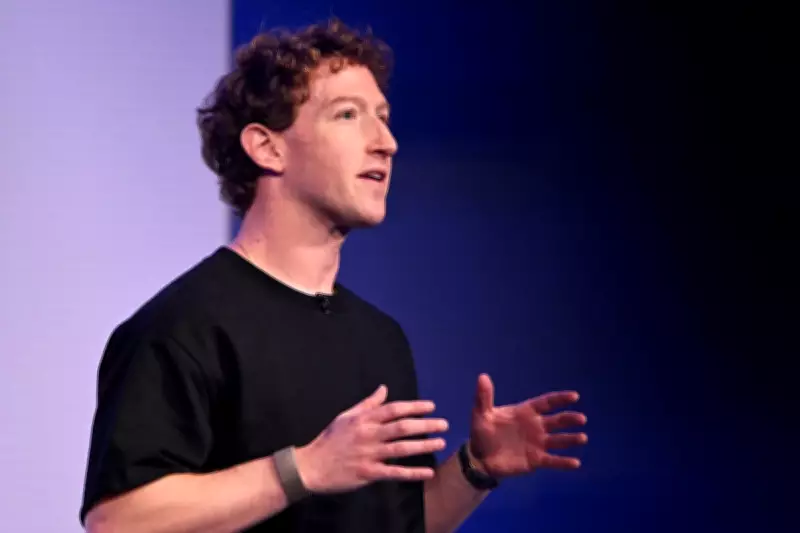
Mark Zuckerberg Testifies in Court Over Meta's Alleged Role in Youth Addiction
Watch live as Meta CEO Mark Zuckerberg provides testimony at a high-profile social media addiction trial on Wednesday, 18 February 2026. The proceedings focus on Meta's impact on the mental health of young users, with Zuckerberg facing direct questioning in a courtroom setting.
Grieving Parents Attend as Zuckerberg Faces Jury for First Time
This marks the first instance where Zuckerberg will answer questions in front of a jury regarding these serious allegations. He has previously testified before Congress on similar matters, where he offered apologies to families affected by social media-related tragedies. The courtroom includes grieving parents who assert that their children suffered harm or even died due to social media platforms.
Legal Claims Against Meta and Google Over Addictive Designs
The trial involves claims that Meta, the parent company of Instagram, and Google's YouTube intentionally create addictive platforms that harm children. Originally, TikTok and Snapchat's parent company, Snap Inc., were also named in the lawsuit, but they have since settled for undisclosed amounts. If Meta and Google lose the case, they could face significant damages and be compelled to redesign their platforms to mitigate risks.

Specific Allegations from a Young Plaintiff
Zuckerberg will undergo thorough questioning from lawyers representing a 20-year-old woman, identified as KGM. She alleges that her early engagement with social media led to addiction, which worsened her depression and resulted in suicidal thoughts. This case highlights broader concerns about the psychological effects of social media on youth.
Company Responses and Broader Legal Context
Meta and Google have denied the allegations, emphasizing their efforts to implement safety features for users. A Meta spokesperson stated that the company strongly disagrees with the lawsuit's claims and expressed confidence that evidence will demonstrate their commitment to supporting young people. The trial, expected to last six to eight weeks, began last week and is part of a series of legal actions this year aiming to hold social media companies accountable for children's mental well-being.