Apollo Moon Rocks Reveal Ancient Magnetic Field Surges
Lunar rocks collected by Apollo astronauts over half a century ago are offering new insights into the moon's enigmatic magnetic field, according to a study published on Wednesday. Scientists from the University of Oxford in England have analysed these historic samples, revealing that the moon's magnetic field, while generally weak throughout its history, experienced dramatic and fleeting spikes in strength between 3 billion and 4 billion years ago.
Brief but Powerful Magnetic Events
The research, detailed in the journal Nature Geoscience, indicates that these magnetic surges were incredibly short-lived, lasting no more than 5,000 years and possibly as briefly as a few decades. Lead author Claire Nichols explained that these events resulted from the melting of titanium-rich rocks deep within the lunar interior. Magnetic fields are crucial for shielding planetary bodies from hazardous cosmic rays and solar radiation, much like Earth's protective magnetosphere.
Previous theories, based on Apollo rock analyses, suggested the lunar magnetic field maintained prolonged strength. However, Nichols and her team re-examined earlier measurements, discovering that elevated titanium levels in samples from the Apollo 11 and Apollo 17 missions correlated with preserved signs of intense magnetic activity. "We have found a missing link," Nichols stated via email, noting that magnetic field activity can be "intermittently really strong and may fluctuate far more than we have traditionally thought."

Limitations of Apollo Samples and Future Artemis Missions
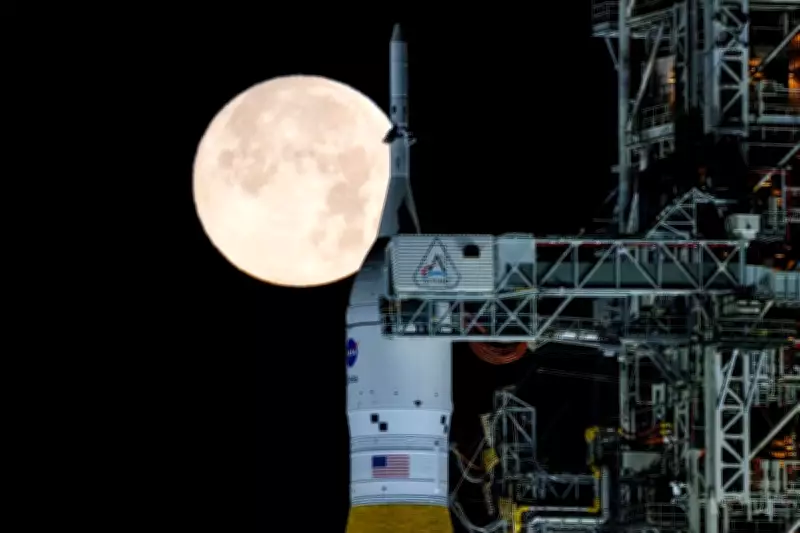
The researchers caution that Apollo samples may not fully represent the moon's geological diversity, as they originated from similar, titanium-rich regions brought to the surface by volcanic activity. In contrast, NASA's upcoming Artemis program aims to explore new lunar territories. Four Artemis astronauts are scheduled for a critical test flight around the moon, launching as early as April from Kennedy Space Center after weeks of delays.
Future moonwalkers will investigate the moon's south polar region, targeting ancient rocks in permanently shadowed craters believed to contain water ice, rather than the low-latitude lava plains visited during the Apollo era. These new samples are expected to provide even deeper understanding of the moon's ancient magnetism, potentially revealing more about its dynamic past.
Implications for Planetary Habitability
Understanding the evolution of the moon's magnetic shield is vital for assessing planetary habitability, Nichols emphasised. The study underscores how brief geological events can significantly influence a celestial body's protective capabilities. As Artemis missions prepare to retrieve fresh lunar material, scientists anticipate uncovering further clues about the moon's magnetic history and its implications for other planetary bodies in our solar system.
The Associated Press Health and Science Department receives support from the Howard Hughes Medical Institute’s Department of Science Education and the Robert Wood Johnson Foundation. The AP is solely responsible for all content.