The historic Artemis II mission has successfully concluded, marking humanity's first return to the Moon in more than half a century. The four crew members—Commander Reid Wiseman, pilot Victor Glover, mission specialist Christina Koch, and Canadian astronaut Jeremy Hansen—have returned to Earth with a treasure trove of never-before-seen photographs from the lunar far side.
A Breathtaking Journey Concludes
Splashdown occurred in the Pacific Ocean after the astronauts completed their remarkable voyage aboard the self-flying Orion capsule, named Integrity. The spacecraft re-entered Earth's atmosphere traveling at an astonishing Mach 32—thirty-two times the speed of sound—before executing a precise landing.
Unprecedented Lunar Documentation
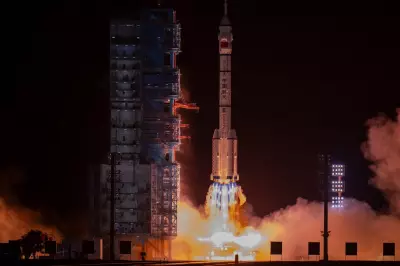
Since launching from Florida's Kennedy Space Center on April 1, 2026, the Artemis II crew has achieved what no human eyes have witnessed before. They documented extensive scenes of the Moon's far side, capturing images that reveal previously unseen lunar landscapes and geological features.

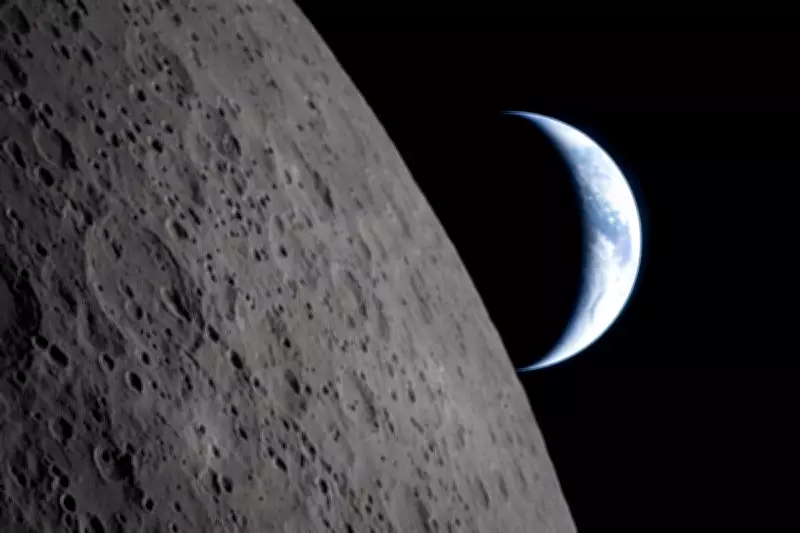
The photographic collection includes spectacular shots of Earth setting behind the Moon during lunar flyby maneuvers, providing a perspective that has captivated scientists and space enthusiasts alike. These images represent the first direct human observation and documentation of the lunar far side, an area perpetually hidden from Earth's view.
Celestial Events Captured
During their mission, the astronauts also experienced and photographed a total solar eclipse from their unique vantage point in space. This rare celestial event, combined with their lunar observations, resulted in a series of breathtaking pictures that NASA officials describe as "among the most significant visual records in space exploration history."
The mission's success extends beyond the photographic achievements. The Artemis II voyage demonstrates significant advancements in space capsule technology and international collaboration, with Canadian participation marking an important milestone in global space exploration efforts.
NASA plans to release the complete photographic collection to the public in the coming weeks, providing unprecedented access to views of the Moon that have remained mysterious since the dawn of human civilization. The images are expected to contribute valuable data for future lunar missions and deepen our understanding of Earth's celestial companion.